bicycle news article header featuring cycling news, bike updates, reviews and industry insights

News Menu

latest eBike news aggregator covering electric bike updates, reviews and industry trends
Click for eBike News
electric motocross news feed with latest dirt bike updates, reviews and industry insights
Click for eMotocross News
latest eScooter news aggregator featuring electric scooter news feed, updates, reviews and industry trends
Click for eScooter News
electric vehicle news aggregator featuring latest EV updates, charging and technology news
Click for EV news
Article By:
CyclingNews
2026-06-05 15:41:20

'It was not intentional; there's absolutely no doubt in my mind' - Ashleigh Moolman-Pasio on Lorena Wiebes' disqualification and the UCI minimum weight limit

Summary By: eMotoX
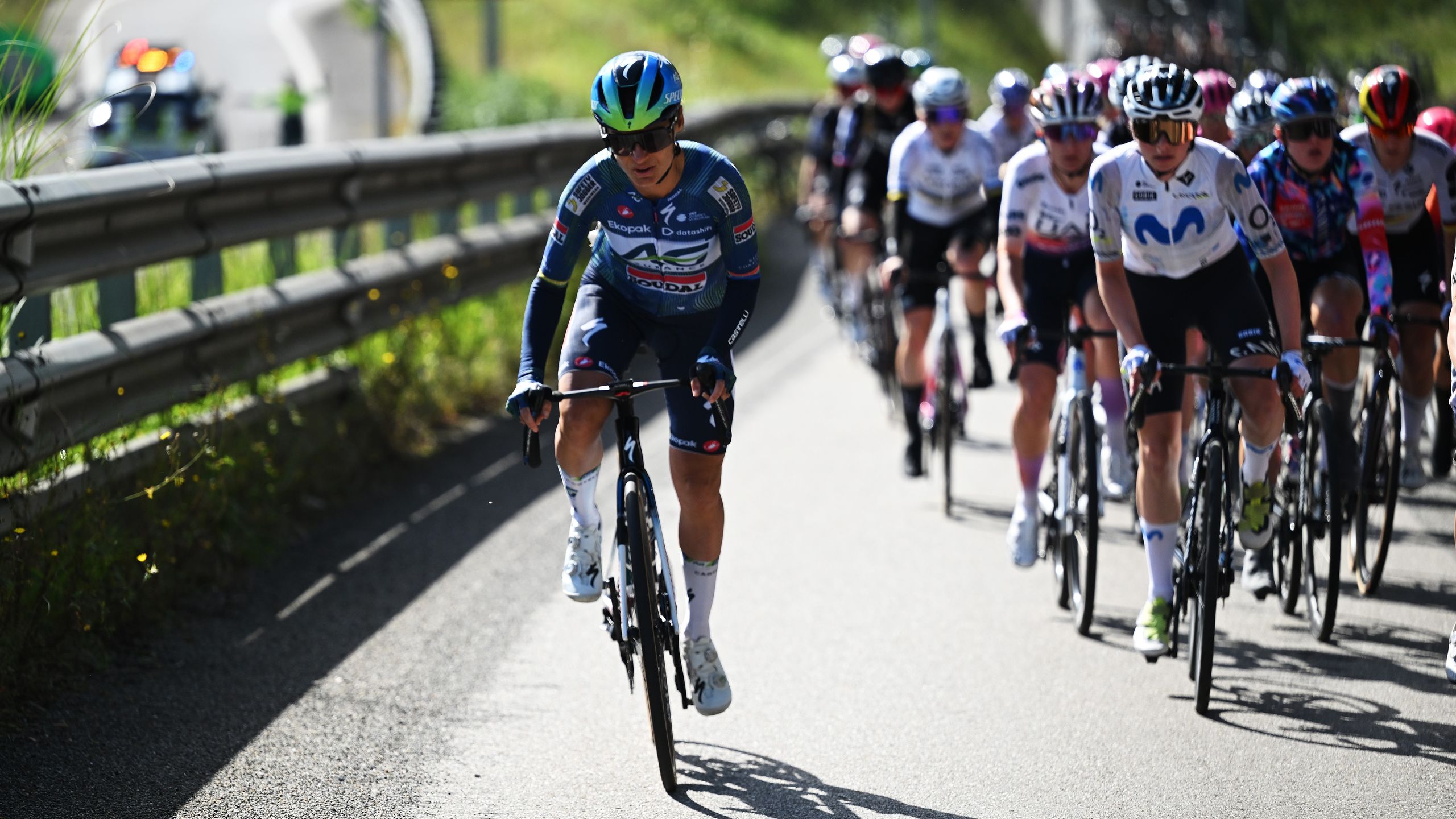
Lorena Wiebes was disqualified from the opening stage of the Giro d’Italia Women after her bike was found to be 20 grams under the UCI’s minimum weight limit of 6.8kg. The incident has reignited debate over the fairness and practicality of the weight rule, especially given that the stage was a flat sprint where a lighter bike is unlikely to confer a significant advantage. Wiebes’ team, SD Worx, confirmed the disqualification and noted that the same bike had been used successfully in previous races, suggesting the weight discrepancy was unintentional. Ashleigh Moolman-Pasio, a rider for AG Insurance-Soudal and a member of the UCI Road Commission, expressed surprise at the severity of the penalty. She highlighted that a 20-gram difference is marginal and questioned why there was no allowance for a margin of error in the weighing process. Pasio emphasised that Wiebes’ team would not have deliberately sought to make the bike lighter for a flat stage, and that advances in bike technology, such as the adoption of a 1x chainset, may have inadvertently pushed the bike just below the minimum weight. The weighing protocol itself has come under scrutiny, with Pasio noting that bike weight checks have historically been inconsistent and not always conducted at every race. She pointed out that the arrival of disc brakes and other technological innovations have influenced bike weights, which have fluctuated over recent years. Pasio advocates for a revision of the rules, proposing either the introduction of separate minimum weight categories or the implementation of a tolerance margin to account for minor variations and measurement inaccuracies. Currently, the UCI mandates disqualification if a bike falls below the 6.8kg limit, with no tolerance for small deviations. Pasio, drawing on her experience as a commissaire, acknowledged that officials are simply enforcing the regulations as written. However, she suggested that introducing some flexibility could prevent harsh penalties for negligible weight differences and foster better relations between riders, teams, and the governing body. The incident involving Wiebes may prompt further discussions on how to modernise and adapt the minimum weight rule to reflect evolving technology and the practical realities of racing.