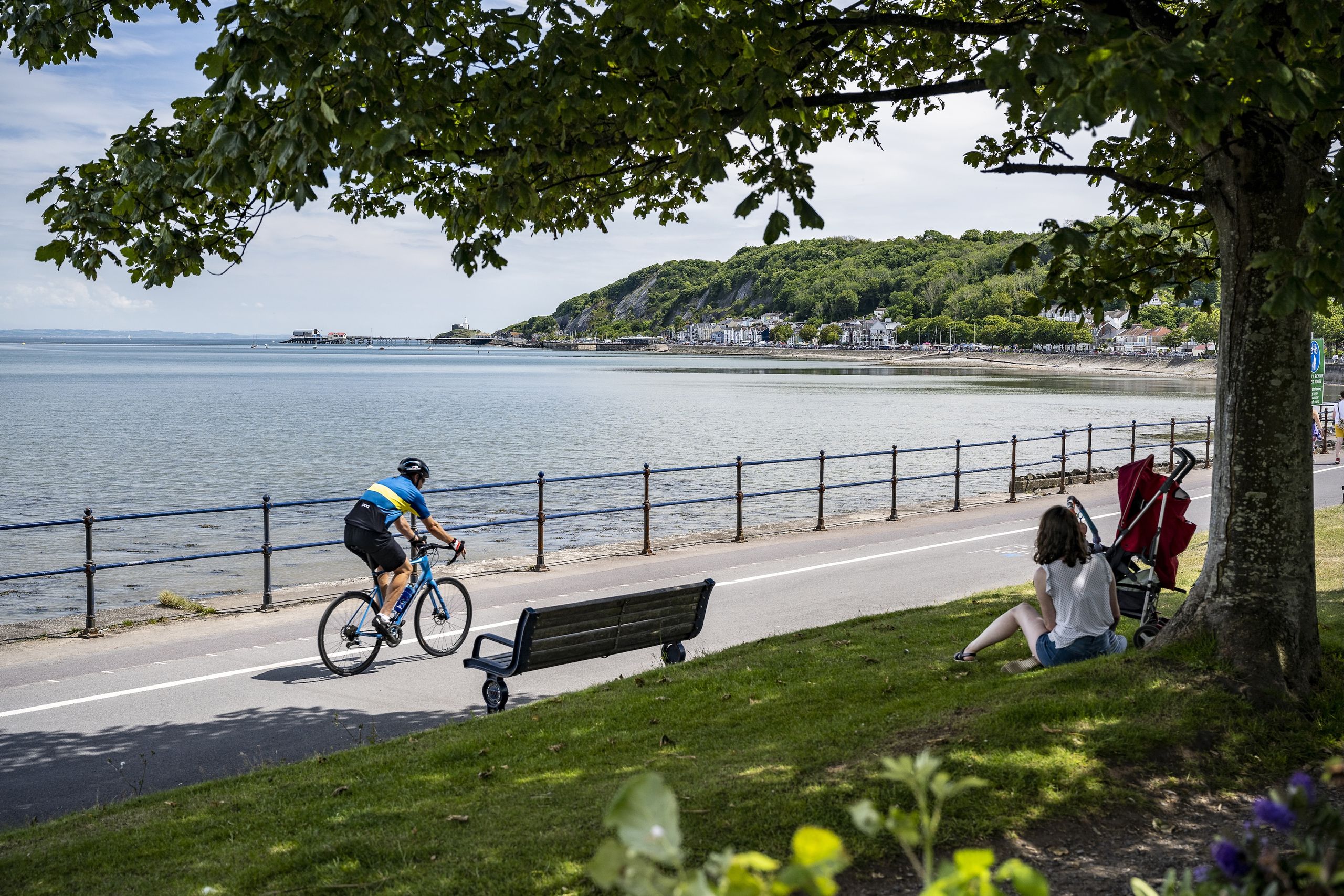
Summary By: eMotoXA newly constructed shared bike path in Surrey, designed to connect neighbouring towns, has sparked significant debate among local residents and cyclists. Although the path represents a substantial investment of over £1.5 million and was intended to encourage active travel, it remains largely unused. Motorists complain that the road has been narrowed to accommodate the path, leading to increased traffic congestion, while some cyclists prefer to continue riding on the road rather than the path itself.
From a cyclist’s perspective, the path presents several practical issues that undermine its appeal. Despite being newly laid, the surface is uneven and rippled, making it uncomfortable for road bikes, which are common among faster riders. Additionally, the path runs beneath trees and has quickly become littered with debris such as seeds, twigs, and branches, with little sign of maintenance. The route also requires cyclists to yield frequently at side roads and forces those travelling in the opposite direction to cross a busy road, complicating access and safety.
The shared nature of the path, used by both pedestrians and cyclists, adds another layer of complexity, increasing the potential for conflicts. This has contributed to rising tensions within the local community, evident in online forums where opinions range from frustration over the expense to hostility towards cyclists. The intended goal of reducing friction between motorists, cyclists, and pedestrians has instead exacerbated divisions, with some drivers expressing resentment over cyclists’ road use and perceived privileges.
The path’s planning involved consultation with local cycling groups, highlighting the challenges of integrating new cycling infrastructure into existing road layouts. While the path holds promise for safer travel by families and commuters, it currently fails to meet the needs of faster road cyclists, who face increased risks on the narrowed road. The article calls for better maintenance of such paths and clearer recognition of cyclists’ rights under the Highway Code, as well as advocating for dedicated, non-shared cycling routes similar to successful projects in London and the Netherlands.
Ultimately, the Surrey bike path exemplifies the difficulties in creating ideal cycling infrastructure in the UK. Despite good intentions and significant investment, compromises and practical shortcomings hinder its effectiveness and acceptance. The author urges continued efforts to improve cycling facilities, suggesting that while the perfect bike path remains elusive, progress is essential for safer and more harmonious road sharing.