Article By:
CyclingNews
2026-06-02 17:54:40
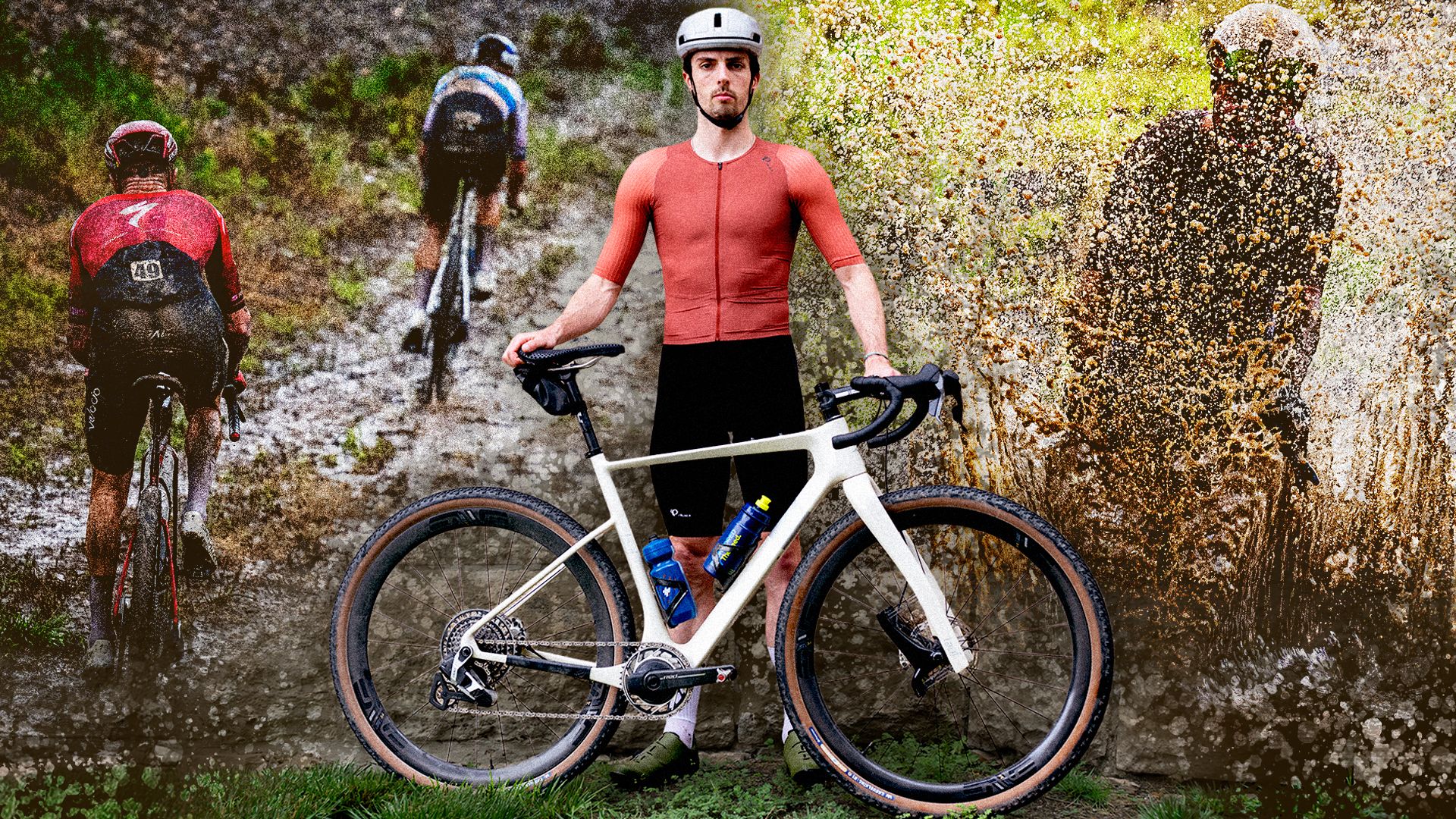
'I rode with one eye for an hour and a half' – Could I survive the elite Unbound Gravel 200 as an indoor cyclist?
Summary By: eMotoX
The author recounts their experience competing in the elite Unbound Gravel 200 race, a notoriously demanding 207-mile event held in Emporia, Kansas. Despite a background primarily in indoor cycling and road racing, they ambitiously entered the race to challenge themselves against professional gravel riders. The race quickly descended into chaos due to severe mud conditions caused by an early morning thunderstorm, forcing many competitors, including the author, to carry their bikes through impassable sections. This “Mudbound” edition tested not only physical endurance but also mental resilience amid unexpected adversity.
Preparation for the race was heavily reliant on indoor training, with the author typically logging 10 to 15 hours per week on the trainer rather than outdoor gravel rides. While this approach offered convenience and consistency, it lacked the extended, race-specific efforts needed to fully simulate the demands of such a long gravel event. In hindsight, the author reflected that incorporating longer “race simulation” rides might have better prepared them for the sustained effort and variable terrain of Unbound. Nevertheless, their fitness was solid, highlighted by a recent criterium win, though they acknowledged the gap in training volume compared to full-time professional riders.
Race day brought additional challenges beyond the terrain, including a breakdown in the author’s support network. Unlike many elite competitors with dedicated teams, they had to rely on drop bags and self-sufficiency, navigating logistical hurdles such as carrying sufficient nutrition to reach aid stations and coping with limited external assistance. This underscored a key divide in gravel racing between well-supported professionals and independent riders, amplifying the mental and physical demands of the event. The author’s experience highlighted the importance of preparation not only in training but also in race-day planning and support.
Ultimately, the author’s journey through the Unbound Gravel 200 offered valuable insights into the realities of competing at the highest level of gravel racing as an indoor cyclist. The extreme conditions, combined with the race’s length and isolation, posed formidable obstacles that tested endurance, adaptability, and resourcefulness. Their story serves as a testament to the growing appeal and challenge of gravel racing, while also emphasising the need for tailored preparation strategies and robust support systems for those aspiring to compete among the elite.