bicycle news article header featuring cycling news, bike updates, reviews and industry insights

News Menu

latest eBike news aggregator covering electric bike updates, reviews and industry trends
Click for eBike News
electric motocross news feed with latest dirt bike updates, reviews and industry insights
Click for eMotocross News
latest eScooter news aggregator featuring electric scooter news feed, updates, reviews and industry trends
Click for eScooter News
electric vehicle news aggregator featuring latest EV updates, charging and technology news
Click for EV news
Article By:
CyclingNews
2026-06-09 16:22:39

'Everyone's got a responsibility to ease the tension about safety' - Brent Copeland calls for unity to make pro cycling safer

Summary By: eMotoX
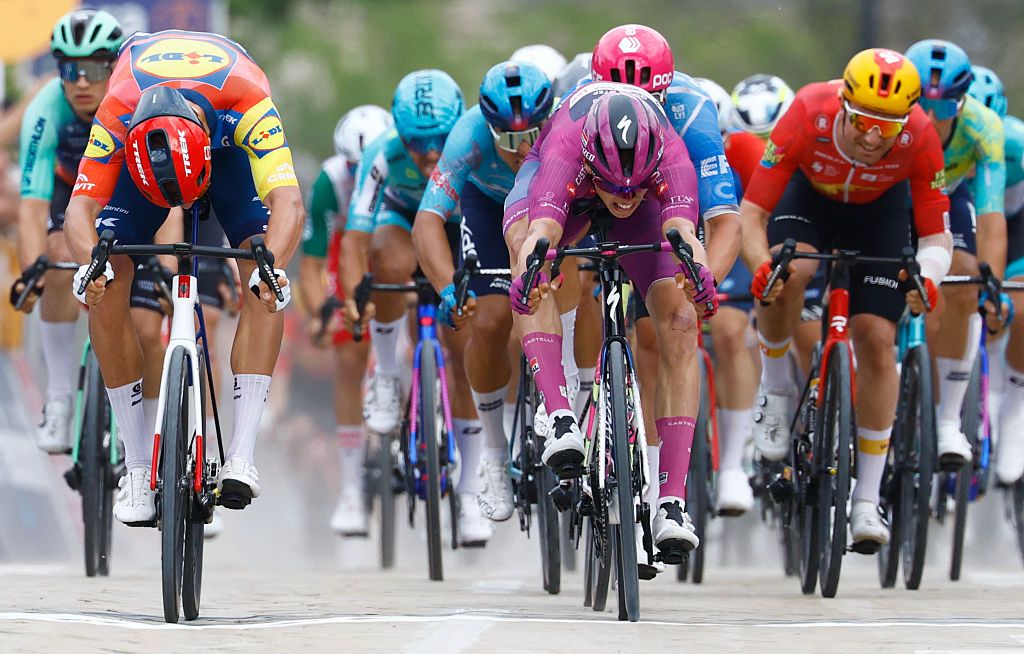
Brent Copeland, Jayco AlUla team manager and President of the AIGCP teams association, has called for greater unity within professional cycling to improve race safety. Speaking in defence of SafeR, the UCI’s safety-focused supervisory board on which he sits, Copeland emphasised the extensive but often unseen work being done behind the scenes. He highlighted recent UCI measures such as extending yellow card penalties for dangerous riding, harmonising race safety signalling, and mandating longer finish straights of at least 200 metres in sprint stages as steps forward in enhancing rider protection. Copeland acknowledged that some critics view these initiatives as insufficient or delayed, but he explained that technological limitations have hindered faster progress. He pointed to ongoing developments in areas like motorbike slipstream regulation, helmet concussion detection, and airbag systems, which remain works in progress. The tragic death of Muriel Furrer at the 2024 UCI Road World Championships has intensified calls for reliable rider tracking, yet current systems relying on mobile data are inconsistent and unable to distinguish between natural stops and accidents. Copeland stressed the complexity and cost of implementing more advanced satellite-based tracking technologies. The SafeR Case Management Committee meets regularly to analyse race incidents and collect data to inform safety improvements. Copeland urged stakeholders to engage constructively with this evidence-based approach rather than succumbing to divisive criticism. He cited recent confusion at a Giro d’Italia stage finish, where accusations of breakaway riders benefiting from motorbike slipstreams surfaced, as an example of tensions that could be resolved through data analysis. Copeland called on teams, riders, and organisers to take collective responsibility for safety, encouraging mutual respect and cooperation to reduce pressure and improve conditions across the sport. Ultimately, Copeland’s message is one of collaboration and patience as cycling navigates the challenges of enhancing safety in a high-risk environment. He recognised that while all parties have a role to play, the path forward requires shared commitment and understanding rather than blame. With ongoing technological advancements and continued dialogue through SafeR, there is cautious optimism that meaningful progress can be made to protect riders and foster a safer professional cycling landscape.