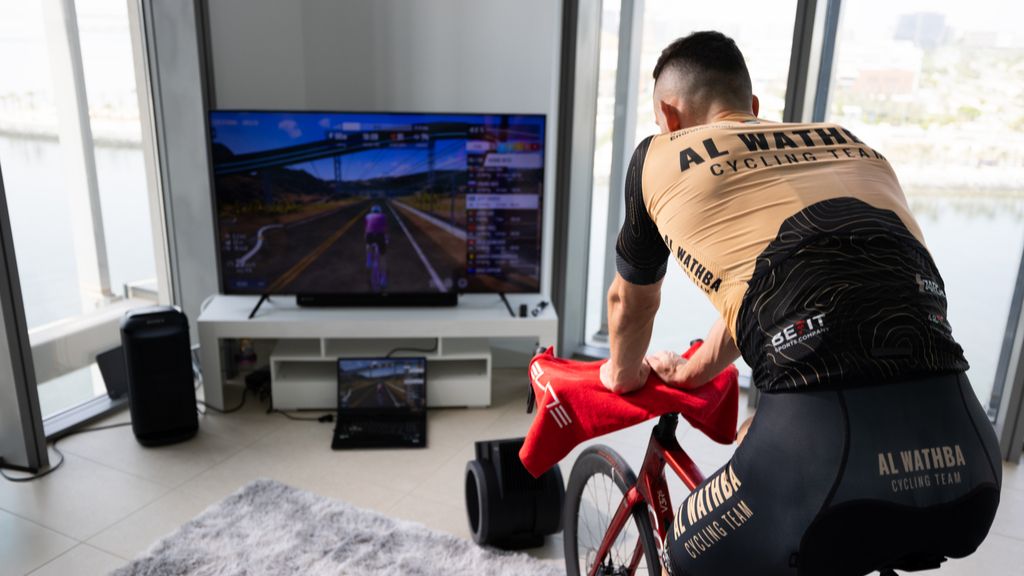
Summary By: eMotoXMyWhoosh, a leading indoor cycling platform, is introducing a groundbreaking anti-doping programme that requires virtual racers to provide blood and urine samples. This initiative, the first of its kind in e-sports cycling, aims to tackle physical doping alongside existing measures against digital manipulation of performance data. The testing will focus on high-stakes events such as the Sunday Race Club, where prize money reaches tens of thousands of dollars, reflecting MyWhoosh’s commitment to ensuring fair competition as its prize events expand.
The anti-doping regime, implemented in partnership with the International Doping Tests & Management (IDTM), will begin on 10 May, with the first sample collections scheduled for 17 May. Selected riders must declare their physical location before races and remain available for up to three hours post-event to provide samples, which may include blood drawn from a vein, finger-prick dried blood spots, or urine. Testing selection will be both random and targeted, based on performance data, intelligence, or other criteria, and refusal to comply will result in severe penalties such as disqualification, prize money forfeiture, and platform suspension.
Despite the programme’s ambition, it faces significant challenges, notably the global and dispersed nature of competitors who race remotely from various countries. Ensuring testers can reach riders within the required timeframe demands a widespread network of agents, a logistical hurdle that even established bodies like WADA find difficult. The financial burden of such an operation is considerable and will ultimately be borne by the riders themselves, raising questions about the sustainability and scalability of the testing regime.
Legal complexities also loom large, as MyWhoosh’s authority is confined to its own platform, with no jurisdiction beyond it. Sanctions will not extend to other cycling competitions, and affected riders might contest positive results through appeals or legal action, particularly if reputational damage or lost earnings are at stake. To mitigate these risks, MyWhoosh has framed its anti-doping rules within a private contractual and sporting integrity framework aligned with international standards, including the WADA Prohibited List, aiming to establish a robust and defensible governance structure.
This pioneering move by MyWhoosh marks a significant step in the maturation of virtual cycling competitions, signalling a shift towards greater professionalism and integrity in e-sports. As virtual racing continues to grow in popularity and prize money, the introduction of physical anti-doping controls could set a precedent for other platforms and disciplines within the broader e-sports and cycling communities. The effectiveness and acceptance of this programme will be closely watched as it unfolds in the coming months.