bicycle news article header featuring cycling news, bike updates, reviews and industry insights

News Menu

latest eBike news aggregator covering electric bike updates, reviews and industry trends
Click for eBike News
electric motocross news feed with latest dirt bike updates, reviews and industry insights
Click for eMotocross News
latest eScooter news aggregator featuring electric scooter news feed, updates, reviews and industry trends
Click for eScooter News
electric vehicle news aggregator featuring latest EV updates, charging and technology news
Click for EV news
Article By:
CyclingNews
2026-05-22 09:39:40

Crashes, controversy, compatibility issues: What is the hookless rim debate, and how do we solve it?

Summary By: eMotoX
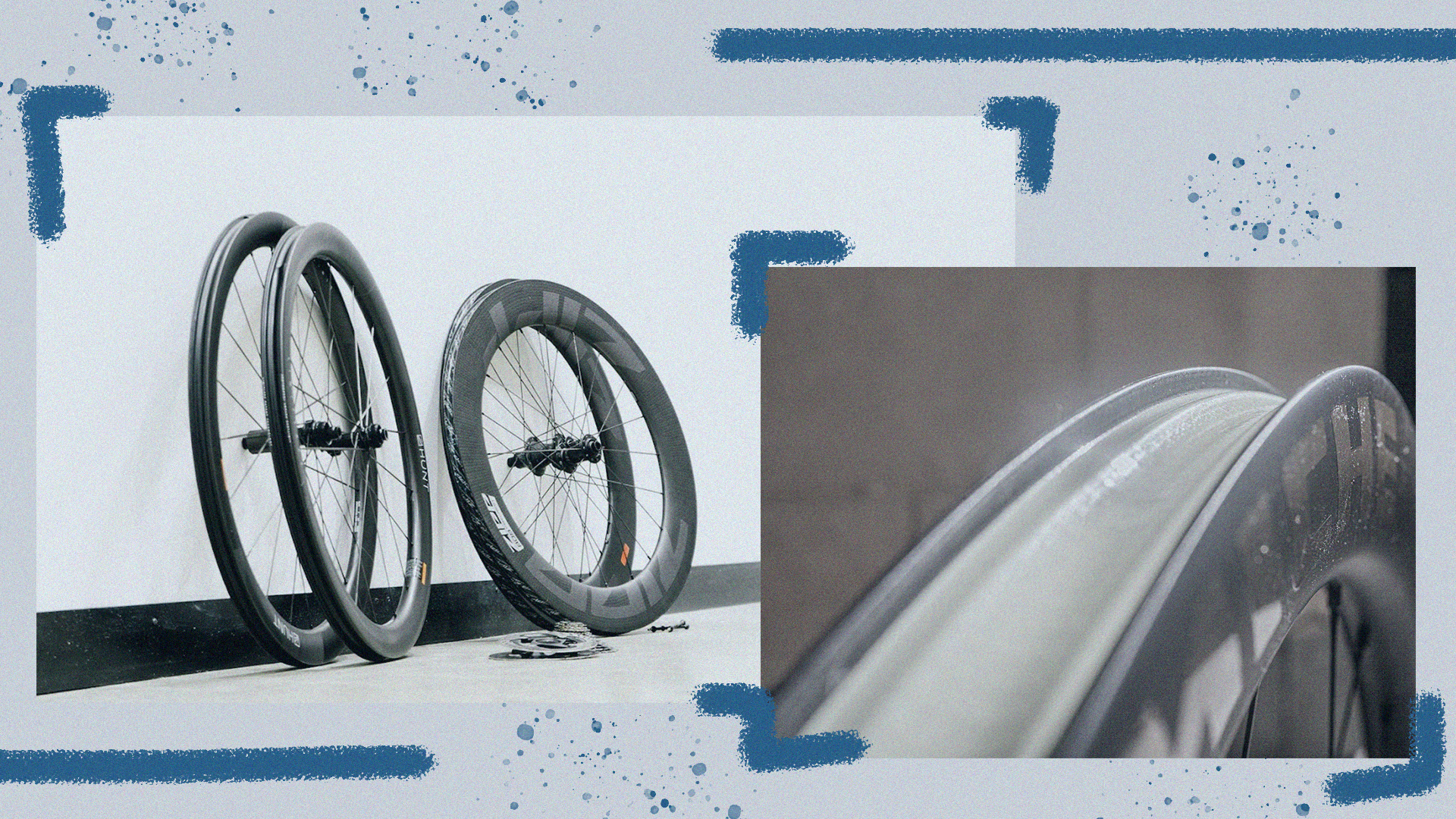
The debate surrounding hookless rims has intensified following several high-profile crashes, raising questions about their safety and compatibility within the cycling industry. Hookless rims, which lack the traditional inward protrusion that secures the tyre bead, offer advantages in weight, strength, and aerodynamics compared to hooked rims. However, concerns from professional riders and consumers alike have cast doubt on whether these benefits outweigh potential risks, especially as incidents like Thomas De Gendt’s crash at the 2024 UAE Tour have brought the issue under scrutiny. Manufacturers are also uncertain about the future demand for hookless rims, with some fearing a return to hooked rims if consumer confidence wanes. At the heart of the controversy lies the challenge of precision engineering and system compatibility. Jeff Schneider of Cadex Cycling argues that the debate often misses the point, focusing too much on the rim design rather than the critical need for exact tolerances between tyres and rims. For hookless systems to function safely and effectively, tyre and rim manufacturers must collaborate closely or adopt vertical integration, where one brand produces both components to ensure perfect fit and performance. This level of coordination, however, is difficult to achieve in a fragmented industry, complicating efforts to standardise and guarantee safety across different brands. Hookless rims differ fundamentally from traditional hooked rims, which have been standard since the 1970s to accommodate folding bead tyres that require mechanical retention at higher pressures. The hook prevents the tyre bead from slipping off the rim, a necessity born from the introduction of more flexible tyre beads. More recently, micro-hooked rims have emerged as a compromise, featuring smaller hooks that aim to balance the benefits of both designs. The European Tyre and Rim Technical Organisation (ETRTO) sets dimensional standards to maintain consistency, but manufacturers pushing hookless and tubeless systems often exceed these specifications to ensure tighter tolerances and reduce the risk of tyre blow-offs. Historically, the shift from glued tubular tyres to hooked rims marked a significant advance in convenience and performance, allowing riders to spend less time on maintenance and more on riding. Despite this, professional cyclists have often preferred tubular tyres for their reliability in retaining the tyre even when flat. Today, the resurgence of interest in tyre and rim design is driven by evolving trends such as lower tyre pressures and the widespread adoption of tubeless tyres. The hookless rim debate thus reflects broader tensions within the cycling industry as it navigates innovation, safety, and consumer acceptance, signalling a critical juncture that will shape future product development and standards.