Summary By: eMotoXCastelli’s Premio Evo Bibshort positions itself as a premium offering aimed at delivering exceptional comfort, support, and durability for long-distance cycling. Unlike many high-end products that prioritise speed or aerodynamics, the Premio Evo range focuses on creating what Castelli describes as the “best” cycling clothing, with a concise selection including a jersey, shorts, gloves, and socks. The bibshorts are available in men’s and women’s versions, though the range notably lacks warm, windproof, or waterproof items.
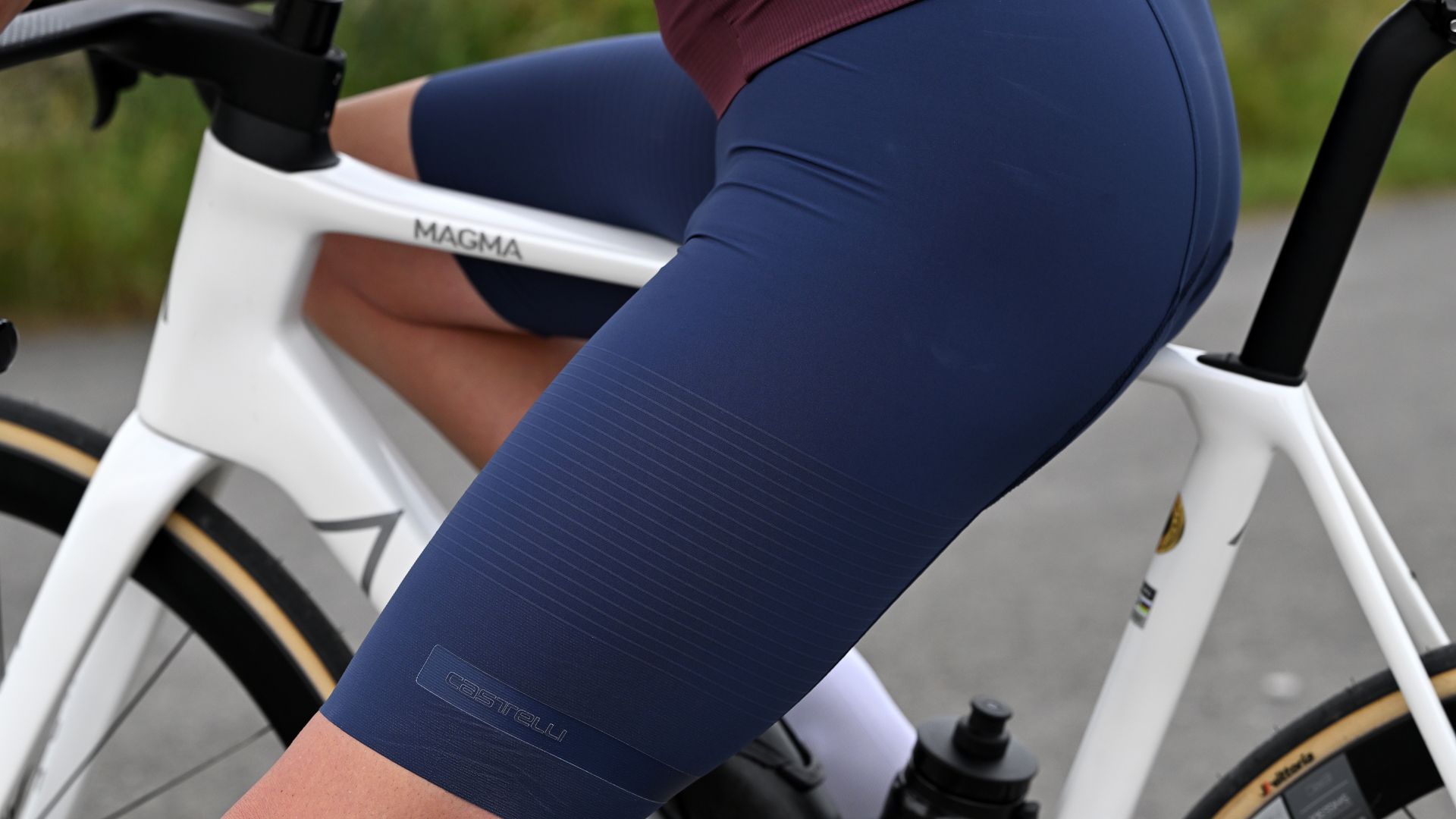
A standout feature of the Premio Evo Bibshort is its innovative use of a gradient stretch-woven fabric, which varies in density and construction within a single panel to provide targeted compression, support, and freedom of movement. The shorts consist of just three panels, with specific areas designed for grip, muscle flexibility, and pelvic support. The fabric has a lightweight, softshell-like feel and includes subtle design touches such as ribbing on the lower thigh and a double-thickness rear panel for modesty, although the branding is minimal and discreet.
Despite the advanced fabric technology, the bibshort’s pad is the familiar Progetto X2 Air Seamless chamois, already used in many of Castelli’s less expensive shorts. This pad offers good airflow, seamless construction, and multi-density cushioning, but its presence in a bibshort of this price point raises questions about value for money. The bib straps, while comfortable and broad, feel somewhat dated compared to more modern, laser-cut designs found in competing models, which may detract from the overall premium impression.
In use, the Premio Evo Bibshort performs well, with secure, non-restrictive leg grippers and a fit consistent with other leading brands. The shorts offer a balance of toughness and lightness, providing support without compromising comfort over long rides. However, the high price tag, combined with the use of a standard pad and somewhat traditional strap design, may limit its appeal to riders seeking cutting-edge innovation throughout every element of their kit.