bicycle news article header featuring cycling news, bike updates, reviews and industry insights

News Menu

latest eBike news aggregator covering electric bike updates, reviews and industry trends
Click for eBike News
electric motocross news feed with latest dirt bike updates, reviews and industry insights
Click for eMotocross News
latest eScooter news aggregator featuring electric scooter news feed, updates, reviews and industry trends
Click for eScooter News
electric vehicle news aggregator featuring latest EV updates, charging and technology news
Click for EV news
Article By:
CyclingNews
2026-06-08 15:08:15

Are you using the right MTB tyres for the riding you do? Here's everything you need to know to get the perfect tyre setup

Summary By: eMotoX
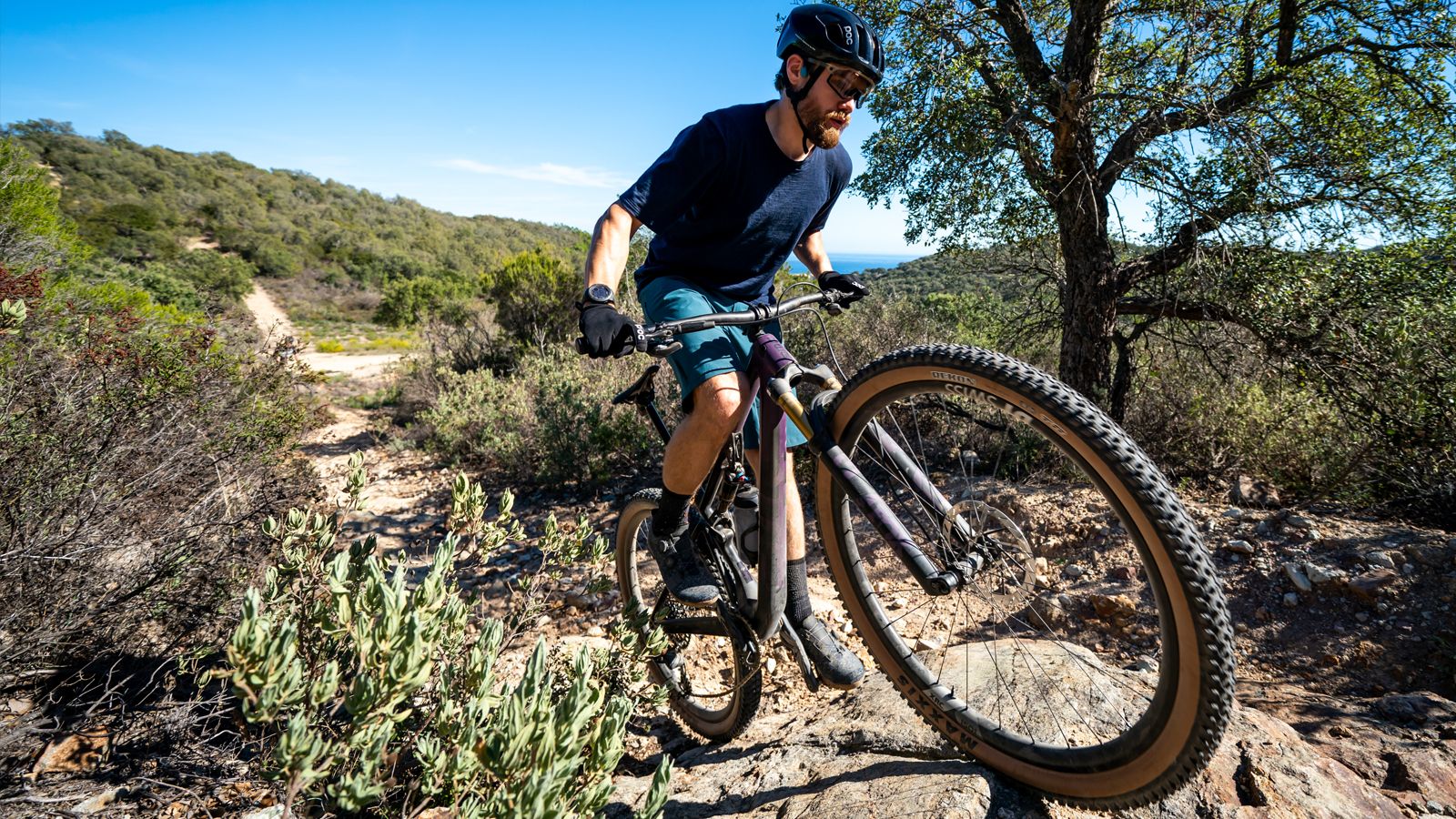
Mountain bike tyres are a critical component that significantly influence how a bike handles on the trail, often more so than high-end drivetrains or suspension systems. Selecting the right tyres is not simply about choosing the grippiest option but involves careful consideration of the type of riding and trail conditions you encounter. Upgrading tyres is widely regarded as one of the most effective ways to enhance bike performance, offering substantial improvements in grip, control, and overall ride quality. Choosing the correct tyre size is fundamental and depends largely on the wheel diameter of your bike, which is typically 29in, 27.5in (650b), or occasionally 26in for older models. Frame and fork clearance also dictate the maximum tyre width you can fit, with a recommended minimum gap of 6mm to allow for mud clearance and safe operation. Additionally, the internal width of the rim plays a crucial role in shaping the tyre profile; wider rims create a broader, flatter tyre shape that can improve stability and grip, whereas narrower rims produce a taller, more bulbous profile. Matching tyre width to rim width within manufacturer guidelines ensures optimal performance and safety. The construction and tread design of MTB tyres further affect their performance characteristics. Tread patterns vary widely but are all designed to maximise grip during cornering, braking, and pedalling. Features such as square-edged tread blocks increase traction, while chamfered edges can reduce rolling resistance. Siping—small cuts in the tread blocks—enhances grip by allowing the tread to deform and bite into the trail surface, with different siping orientations improving either braking, acceleration, or cornering performance. Understanding these details helps riders tailor their tyre choice to specific trail conditions and riding styles. Given the complexity of tyre selection, riders are encouraged to consult manufacturer recommendations and consider factors such as rim width, tyre size, and tread design carefully. While upgrading tyres can be a straightforward and cost-effective way to improve a bike’s capability, ensuring compatibility and suitability for your riding environment is essential. As tyre technology continues to evolve, staying informed about the latest developments and guidelines will help riders make the best choices for their mountain biking needs.