Article By:
BikeRumor
2026-05-18 17:13:23
A Proposed California Law Wants to Crack Down on Electric Motos Sold as “E-Bikes”
Summary By: eMotoX
California is considering new legislation aimed at clarifying the definition of electric bicycles and cracking down on the sale of high-powered electric motorcycles disguised as e-bikes. Senate Bill 1167 seeks to prohibit retailers from marketing electric vehicles that exceed the legal power limits as e-bikes, addressing ongoing confusion in the industry regarding classifications and terminology. The bill intends to distinguish true e-bikes—which are limited to 750 watts of power and fall within a three-class system—from more powerful electric mopeds or motorcycles, which require different regulations.
This legislative effort comes amid increasing concerns nationwide about the safety risks posed by these misclassified electric vehicles. Local authorities across the United States have been responding with varied measures, such as increased fines and bans on e-bikes in certain public areas. Medical professionals have reported a rise in head injuries linked to electric bikes, and tragic fatalities involving teenagers riding these high-powered machines have brought further urgency to the issue. However, many of these incidents involve vehicles that exceed the legal definition of an e-bike, often boasting power outputs well beyond the 750-watt limit.
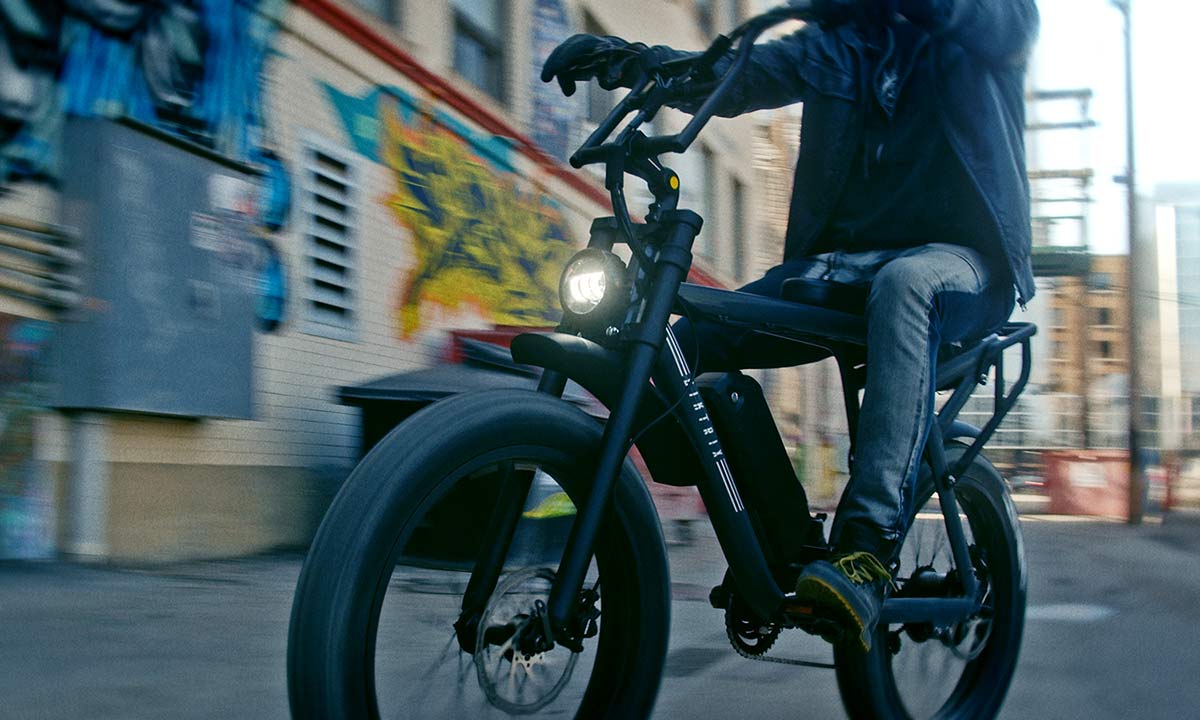
The core of the problem lies in the widespread misuse of the term “e-bike” to describe powerful electric vehicles that function more like motorcycles. Retailers, including major online platforms, frequently sell machines with power ratings ranging from 1,500 watts to as much as 6,500 watts under the e-bike label. This misrepresentation can mislead parents and consumers, who may purchase these vehicles for teenagers under the mistaken belief they are low-powered bicycles not requiring licensing, registration, or insurance. The proposed California bill aims to prevent such confusion by enforcing stricter marketing standards.
Other states have begun to tackle similar issues with varying approaches. New Jersey, for example, recently enacted legislation requiring all e-bike riders to have a license, insurance, and registration, although the law does not differentiate between power levels or classifications. While some see these regulations as overly broad and potentially harmful to the growing e-bike market, they reflect a broader effort to address safety concerns and regulatory gaps. California’s focus on targeting retailers selling high-powered electric motorcycles as e-bikes represents a more nuanced attempt to balance consumer protection with industry growth.