Article By:
CyclingNews
2026-05-26 16:45:00
A loss of community, two-tier finances, and a tactical conundrum – Are professional teams reshaping the gravel scene?
Summary By: eMotoX
The gravel racing scene is undergoing a significant transformation as it shifts from its grassroots origins towards a more professionalised structure. Initially characterised by a strong sense of community and a privateer ethos where amateurs and professionals raced side by side, gravel events are now seeing a growing divide between well-funded teams and individual riders. This evolution has sparked debate among participants about the impact on the sport’s inclusive spirit and the practical challenges that come with increased professionalism.
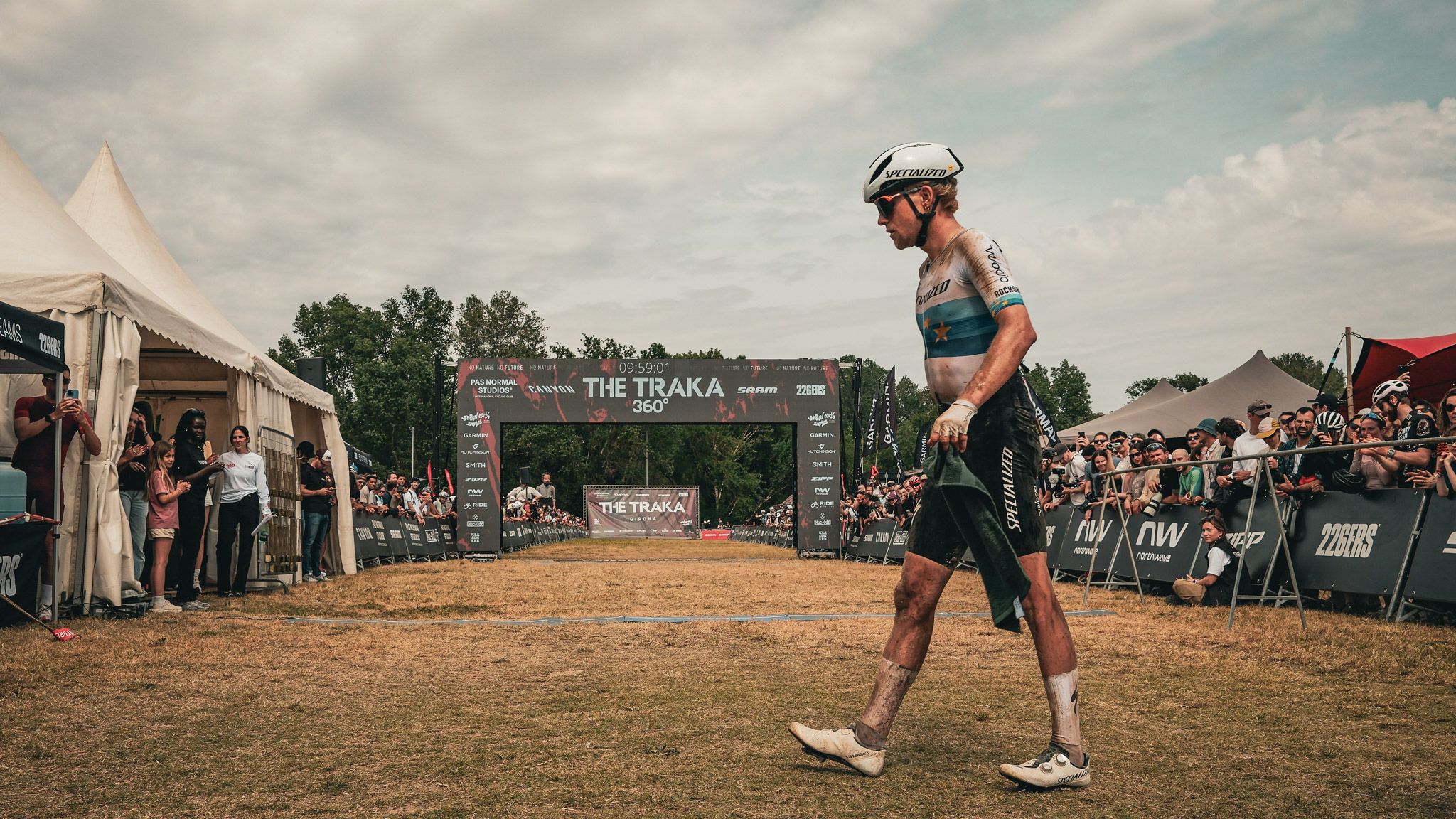
At recent events such as The Traka 360 in Girona, the dominance of riders affiliated with teams or collectives has become apparent, with only a handful of true privateers competing at the highest level. While some riders, like Rosa Klöser, maintain a privateer status despite professional affiliations, many others operate within hybrid models where riders share jerseys but maintain individual sponsorship deals. Teams like PAS Racing and Castelli Spirit of Gravel exemplify this hybrid approach, whereas outfits such as Ribble Outliers emphasise camaraderie and a more informal team culture rooted in road racing traditions.
Support logistics have emerged as a crucial advantage for team-affiliated riders, particularly in demanding multi-hour races where access to assistance can be a decisive factor. Riders like Harry Tanfield and Dylan Johnson highlight the benefits of having dedicated support crews to manage nutrition, equipment, and race-day strategy. Nonetheless, some privateers argue that autonomy allows them to tailor their sponsorship and support arrangements to their own needs, potentially creating a more personalised and flexible racing experience.
Tobias Kongstad, co-manager of PAS Racing and a recent Traka 360 winner, provides insight into the varying levels of team professionalism within gravel racing. He distinguishes between fully salaried teams with centralised management and more loosely organised groups that share resources but retain individual equipment choices. Kongstad acknowledges the logistical and financial challenges faced by privateers, especially in events that require extensive travel, and suggests that team structures can alleviate some of these burdens by fostering collective planning and support.
The ongoing professionalisation of gravel racing raises questions about the future balance between competition and community in the sport. While the rise of teams brings improved resources and strategic depth, it also risks creating a two-tier system that could alienate independent riders and alter the inclusive atmosphere that initially attracted many to gravel racing. How the gravel scene adapts to these changes will be crucial in maintaining its unique identity amid growing commercialisation and competitive pressures.