bicycle news article header featuring cycling news, bike updates, reviews and industry insights

News Menu

latest eBike news aggregator covering electric bike updates, reviews and industry trends
Click for eBike News
electric motocross news feed with latest dirt bike updates, reviews and industry insights
Click for eMotocross News
latest eScooter news aggregator featuring electric scooter news feed, updates, reviews and industry trends
Click for eScooter News
electric vehicle news aggregator featuring latest EV updates, charging and technology news
Click for EV news
Article By:
CyclingNews
2026-04-24 14:14:41

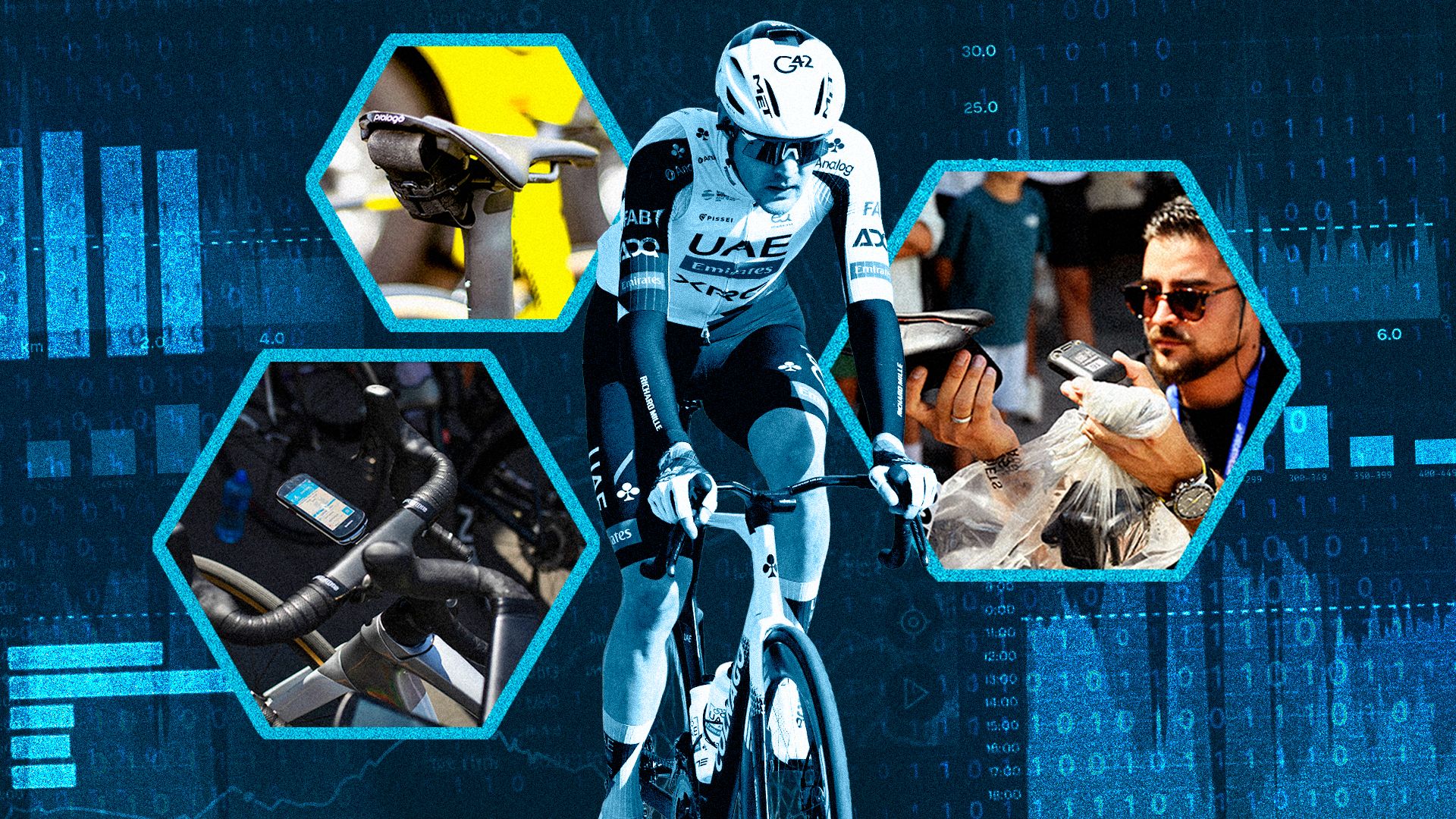
'A geeky area of technology is blowing up into one of cycling's trickiest dilemmas' - How has rider data become such a controversial conundrum for the sport?

Summary By: eMotoX
Rider data has become one of the most complex and contentious issues in modern cycling, transforming from a technical tool into a source of significant debate. The widespread use of devices like power meters, GPS trackers, and wearables has made performance data accessible to both professionals and amateurs alike. However, the proliferation of this information has raised concerns over data ownership, privacy, and the potential commercial exploitation of personal performance metrics. What was once a straightforward means of enhancing race analysis and storytelling is now entangled in ethical and legal dilemmas, with governing bodies and teams struggling to find consensus. The scope of rider data extends far beyond basic performance indicators such as power output and heart rate. Contracts from WorldTour teams reveal that ‘personal data’ encompasses a wide array of information, including laboratory test results, aerodynamic assessments, and medical records, all collected to evaluate and monitor a rider’s physical condition. While teams typically claim ownership of this data, the actual control often remains ambiguous, with many riders unaware of who holds the rights to their information. This lack of clarity is compounded by the fact that riders generally trust their teams and do not prioritise data ownership, focusing more on privacy concerns, such as the risk of revealing their home locations through platforms like Strava. The legal framework around data use within professional cycling offers riders some protections, allowing them to withdraw consent or request deletion of their personal information. Yet, in practice, teams maintain extensive access to data during the contract period and use it to assess athletic potential and performance. The broadcasting of live data during races, facilitated by organisations like Velon, adds another layer of complexity, as teams consent to sharing certain metrics publicly while retaining ownership. The commercialisation of this data remains a hotly debated topic, with questions about who should profit from the information and how it might be used beyond sporting purposes. The ongoing debate highlights a broader challenge for cycling’s governance and its stakeholders as technology continues to evolve rapidly. With no clear resolution in sight, the sport faces a delicate balancing act between leveraging data to improve competition and protecting the rights and privacy of its athletes. As data becomes increasingly central to performance analysis and fan engagement, establishing transparent policies and ethical standards will be crucial in navigating this emerging dilemma. The situation underscores the need for greater rider education and involvement in decisions about how their data is collected, shared, and monetised moving forward.