Summary By: eMotoXProfessional cycling, despite its global appeal and thrilling competition, faces significant challenges that threaten its long-term viability. The sport is often described as financially unstable, resistant to innovation, and burdened by internal divisions that hinder progress. The Union Cycliste Internationale (UCI) has recently initiated a broad consultation process aimed at reforming the organisational model of professional road cycling to enhance its appeal and stability. UCI President David Lappartient emphasises the need for collective action under the UCI’s leadership to secure the sport’s future, following the rejection of the One Cycling project, which sought to unite teams and race organisers in a new commercial venture.
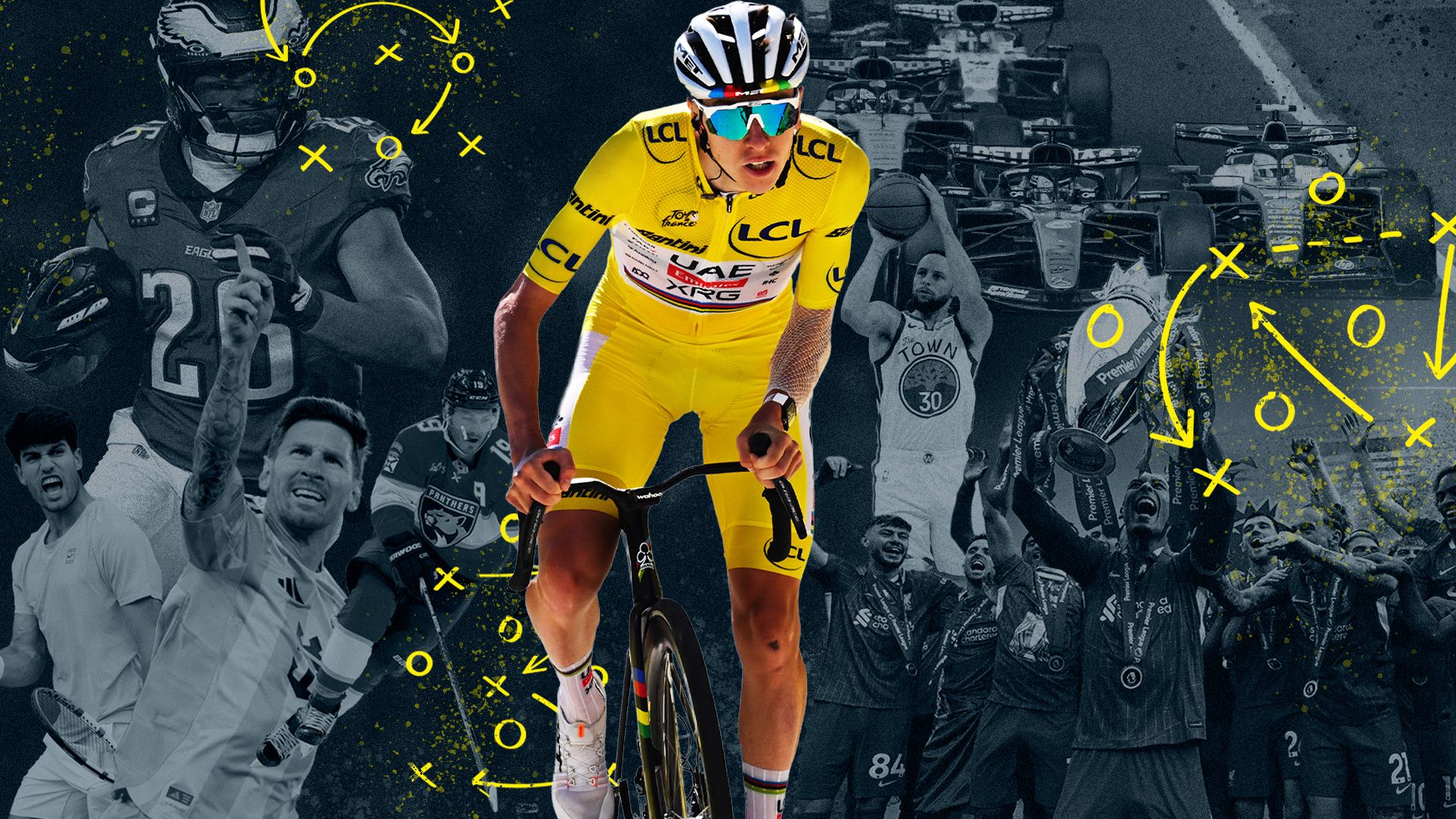
Comparisons with other major sports such as Formula 1, the NBA, NFL, and professional soccer highlight the different approaches to governance and commercialisation. These sports operate as sports-entertainment businesses, generating substantial profits and evolving their models to meet fan expectations and market demands. In contrast, professional cycling remains largely free for spectators, relying on indirect funding through advertising, broadcasting rights, and local economic impact. This traditional model, coupled with power struggles among stakeholders, has limited the sport’s ability to develop new revenue streams, even as team budgets and rider salaries continue to rise.
Voices from within the cycling community advocate for change, warning that the sport risks becoming obsolete if it fails to adapt. Former professional rider Michael Woods stresses the necessity of evolution, arguing that clinging to tradition will render cycling a relic. The debate around reform is not merely about the sport’s spectacle but also its governance, which underpins its entire structure. The UCI’s role is pivotal, as it governs everything from race calendars to team regulations, yet the sport’s fragmented business model contrasts with the more unified and commercially savvy frameworks seen in other professional sports.
The current governance and business model of cycling, shaped over more than a century, has remained largely unchanged despite the growth of other sports. Influential race organisers like ASO, which owns the Tour de France, wield significant economic and political power, often overshadowing teams that depend heavily on sponsorships for survival. This imbalance complicates efforts to modernise the sport’s commercial approach. The ongoing consultation process represents a critical opportunity for cycling to rethink its organisational and financial strategies, potentially drawing on successful blueprints from other sports to secure a more sustainable and prosperous future.