Article By:
CyclingNews
2026-05-11 16:24:01
250,000 fans in Sofia, a packed Lidl car park, and flamingos – Giro d'Italia reflections from a crash-marred but memorable Bulgarian Grande Partenza
Summary By: eMotoX
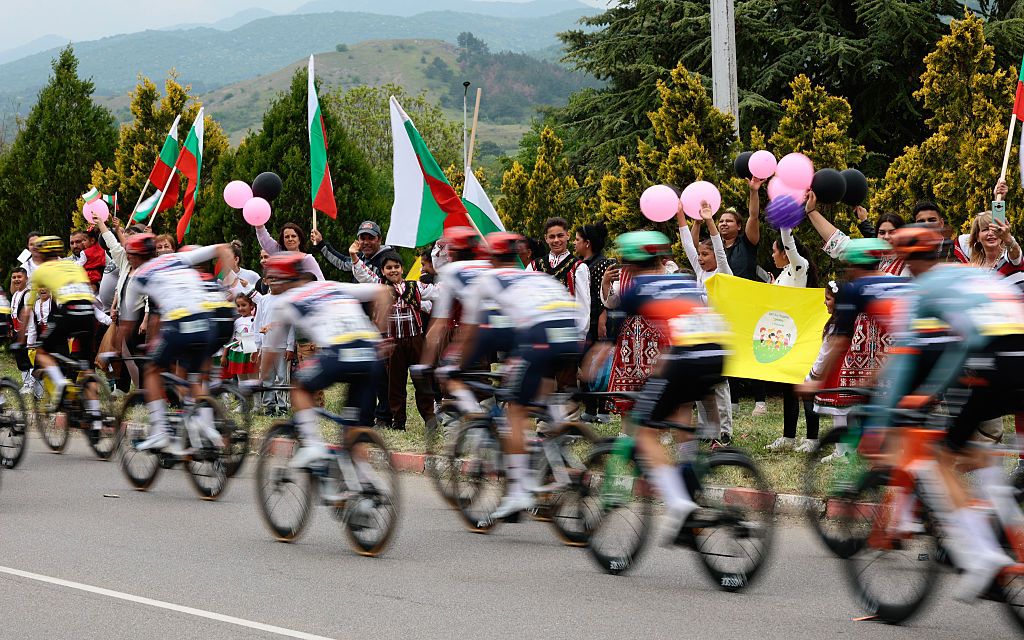
The Giro d’Italia’s recent Grande Partenza in Bulgaria drew an unexpectedly large and enthusiastic crowd, with around 250,000 spectators lining the streets of Sofia and other host cities. Despite initial scepticism over Bulgaria’s suitability as a starting point—given its limited professional cycling presence and logistical challenges—the event captured the public’s imagination, transforming the race’s arrival into a vibrant celebration. Local engagement was evident, from supermarket car park fan events to creative displays such as supporters dressed as flamingos, highlighting a genuine enthusiasm that contrasted with previous foreign starts in the region.
However, the sporting spectacle was overshadowed by significant crashes that raised concerns about road safety and race organisation. On the opening day, a mass pile-up occurred due to a dangerous bottleneck where the peloton was forced to narrow abruptly from three lanes to one, causing several top sprinters to crash and delaying much of the field. While the incident was partly attributed to the host’s road conditions, responsibility also lay with race organisers and the UCI for approving a route that compromised rider safety. The crashes marred what should have been a smooth and exciting start to the race, though the immediate consequences were less severe than feared, with only one rider forced to abandon.
The choice of Bulgaria as a host for the Giro start was driven more by political and promotional motives than sporting tradition. The country sought to showcase its cities and scenic landscapes to a global audience, aiming to boost tourism and demonstrate its capacity to stage major international events. Despite the initial doubts about the race’s relevance to Bulgaria’s cycling culture, the scale of fan turnout suggested a meaningful connection had been forged, at least at the popular level. Whether this will translate into a lasting legacy or inspire a new generation of Bulgarian cyclists remains uncertain, but the event has undoubtedly placed the country on the map within the world of professional cycling.
Looking ahead, the experience in Bulgaria may influence how future foreign Grande Partenza locations are selected and managed. The balance between promoting new markets and ensuring rider safety will be critical, especially as the Giro continues to expand its international reach. The crashes in Sofia serve as a reminder that logistical and infrastructural considerations must be paramount to protect competitors and maintain the race’s integrity. Meanwhile, the positive public response offers encouragement that the sport can grow in unexpected regions, provided organisers learn from the challenges faced in Bulgaria.