Article By:
Electric Bike Report
2026-02-10 00:14:21
Recalls From Specialized, Trek, Electra, & Urban Arrow, Oregon Bill Encourages Youth E-Bike Education | TWR Ep 69
Summary By: eMotoX
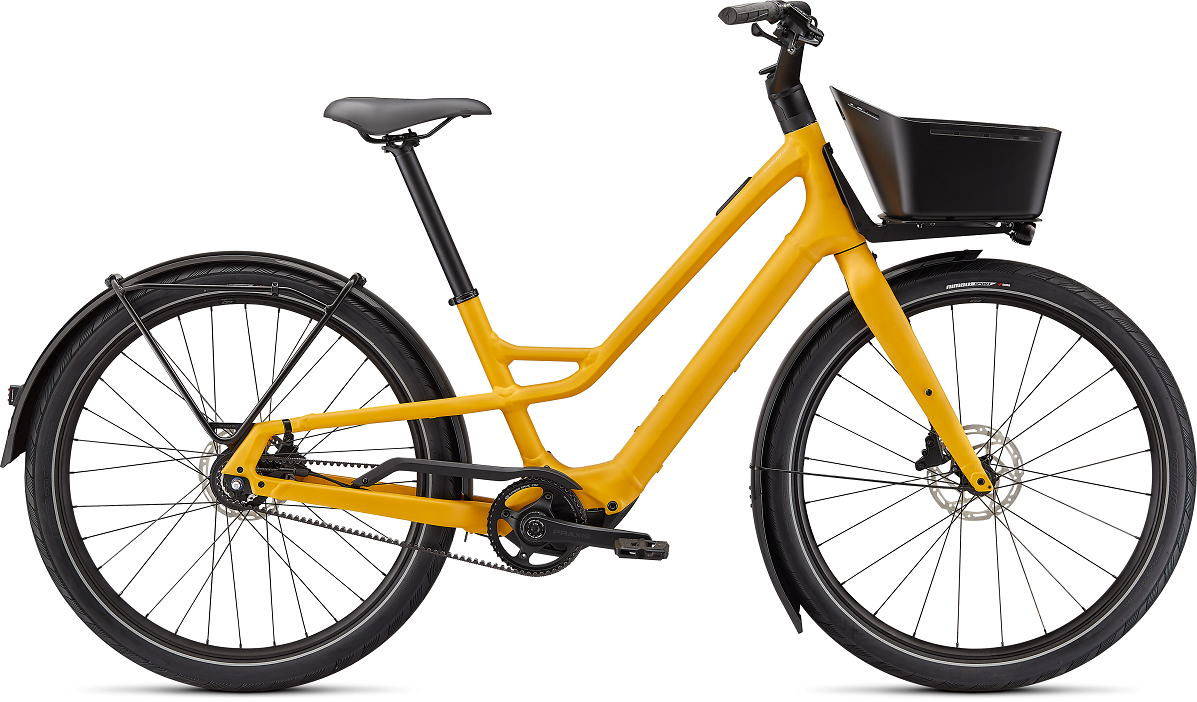
Major recalls have been announced by leading e-bike brands Specialized, Trek, and Electra due to safety concerns affecting thousands of electric bicycles. Specialized has issued a Stop Ride notice for all Turbo Como SL models, citing potential fatigue cracks in the fork steerer tube that could lead to fork failure and pose a fall hazard. The recall covers models sold from 2021 onwards, with the company working alongside the Consumer Product Safety Commission (CPSC) to devise a remedy expected in the coming weeks. Meanwhile, Hyena E-Bike Systems has recalled nearly 20,000 Trek FX+1 and Electra Townie Go! e-bikes due to faulty rear wheel bolts susceptible to hydrogen embrittlement, which may cause the wheel to detach during use.
In response to these recalls, owners are urged to stop using affected e-bikes immediately and contact their dealers for free repairs. Specialized will notify customers once a fix is available, while Trek and Electra dealers will replace the defective bolts and offer a small store credit as compensation. Although no injuries have been reported in relation to the Trek and Electra recall, the potential risks underline the importance of prompt action and vigilance among e-bike riders. These recalls highlight ongoing challenges in ensuring the safety and reliability of electric bikes as their popularity continues to grow.
On the legislative front, Oregon is proposing House Bill 4007, which aims to modernise e-bike and micromobility regulations while promoting youth education on safe e-bike use. The bill would allow riders as young as 14 to operate Class 1 e-bikes, provided they wear helmets and participate in safety classes, a significant shift from current restrictions that prohibit under-16s from using these bikes. Additionally, the bill introduces a new category for powered micromobility devices such as electric skateboards and OneWheels, exempting them from licensing and registration requirements and permitting their use on bike paths and lanes.
HB4007 also targets the sale of mislabelled or unsafe e-mobility products, making it illegal to market electric motorcycles without pedals as e-bikes or to sell uncertified batteries, with penalties of up to $250 for violations. This measured approach contrasts with the blanket restrictions seen in some other states, favouring education and clear definitions over heavy-handed regulation. By recognising the diverse range of micromobility devices and encouraging responsible use among younger riders, Oregon’s legislation could serve as a model for other regions seeking to integrate e-bikes and similar vehicles safely into their transport ecosystems.
These developments underscore the evolving landscape of electric mobility, where safety, regulation, and rider education are increasingly intertwined. The recalls serve as a reminder of the technical challenges manufacturers face, while Oregon’s legislative initiative reflects growing recognition of the need for nuanced policies that balance innovation with public safety. As e-bikes and micromobility devices become more widespread, continued attention to product standards and rider training will be essential to support their sustainable and safe adoption.