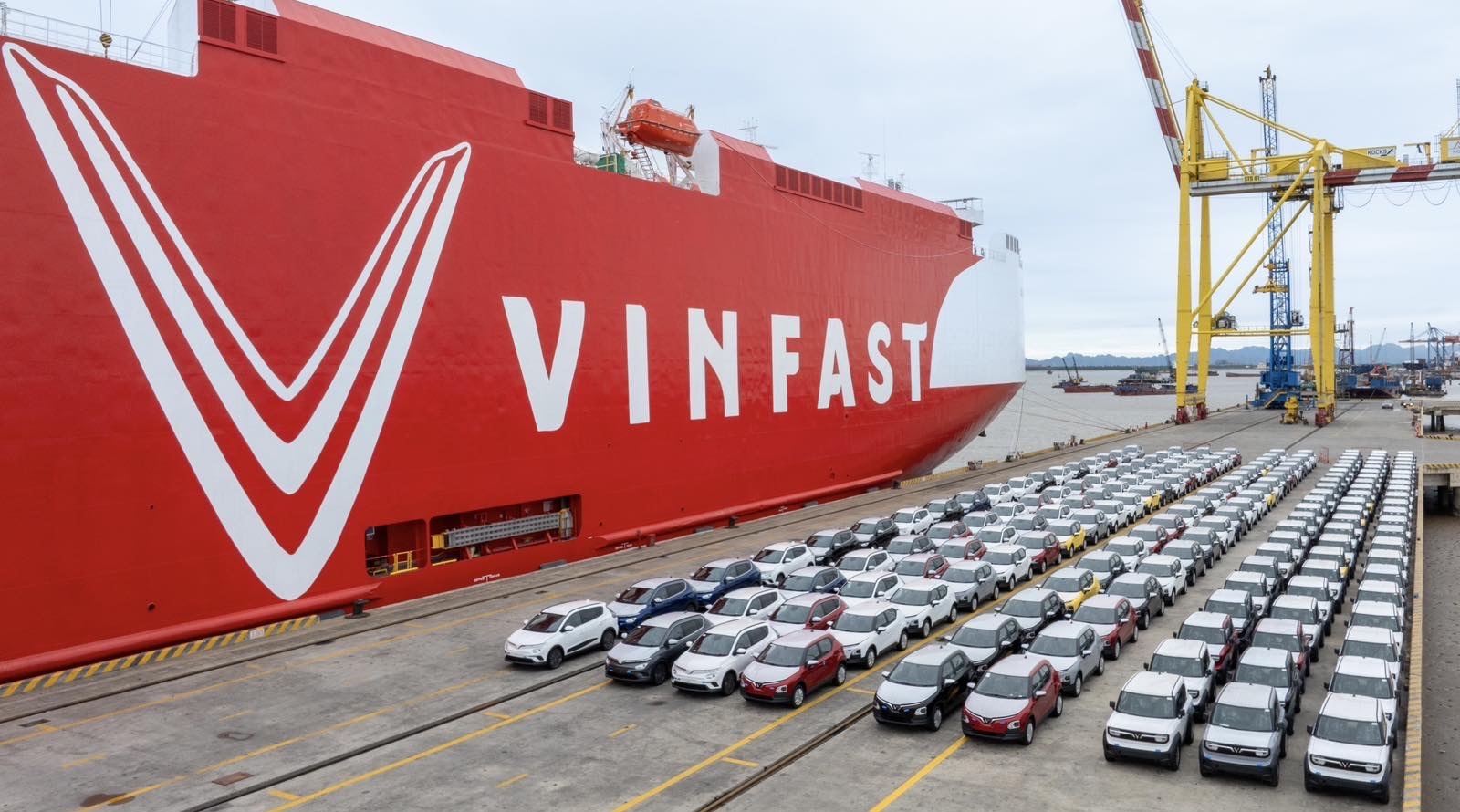
Summary By: eMotoXVinFast has set an ambitious target of selling 300,000 vehicles by 2026, a goal that appears to hinge on a dual-market strategy focused on Vietnam and international expansion. The company anticipates that approximately two-thirds of these sales will come from its domestic market, with around 200,000 units sold locally. The remaining 100,000 vehicles are expected to be sold overseas, primarily in emerging markets across Southeast Asia and South Asia, where VinFast is establishing manufacturing and assembly operations to support local demand.
Key international markets identified include Indonesia and India, which together could account for nearly two-thirds of VinFast’s overseas sales. Indonesia benefits from a new assembly plant in Subang, local government incentives, and partnerships with transport operators, positioning it as a regional production hub. India is targeted through plans for local manufacturing in Tamil Nadu and a focus on commercial and fleet customers, including tourism and mobility services, rather than relying solely on private buyers. This approach highlights VinFast’s strategy of leveraging institutional demand to build volume and brand recognition.
Other markets in Southeast Asia, such as the Philippines, are also part of VinFast’s expansion, with the company engaging in transport modernisation programmes and fleet partnerships to develop a business-to-business sales channel. The Middle East, particularly the UAE, is seen as a smaller but strategically important market, offering potential for higher margins despite lower volumes. Conversely, more mature and competitive markets like Thailand and Malaysia present challenges due to entrenched local players, Chinese EV brands, and factors such as fuel subsidies that dampen the appeal of electric vehicles.
In Western markets such as North America and Europe, VinFast’s presence is currently more about maintaining global visibility than achieving significant sales volumes. Delays in the North Carolina manufacturing facility and a shift to a dealer-based sales model suggest a cautious approach focused on cost control and brand credibility rather than rapid expansion. Overall, VinFast’s path to its 300,000 sales target appears to rely heavily on building an ecosystem of local production, fleet partnerships, and mobility services in emerging markets, rather than pursuing traditional mass-market retail sales in established regions.