Article By:
CyclingNews
2026-06-11 08:53:20
Specialized promises its new Crux gravel bike is aero and lightweight, so we checked for ourselves in the wind tunnel – Can you have your cake and eat it?
Summary By: eMotoX
Specialized has launched its new Crux gravel bike with bold claims of combining aerodynamic efficiency and lightweight design, aiming squarely at gravel racing rather than cyclocross. The Crux 5, which made a striking debut at the Scottish UCI Gravel Worlds qualifier and dominated the muddy Unbound race, has already demonstrated competitive prowess. Key specifications include a claimed 15.2-watt aerodynamic improvement over its predecessor, 55mm tyre clearance front and rear, and a weight starting at 6.9kg with lightweight wheels. However, the top-tier S-Works model carries a hefty price tag of $14,000, reflecting its premium positioning.
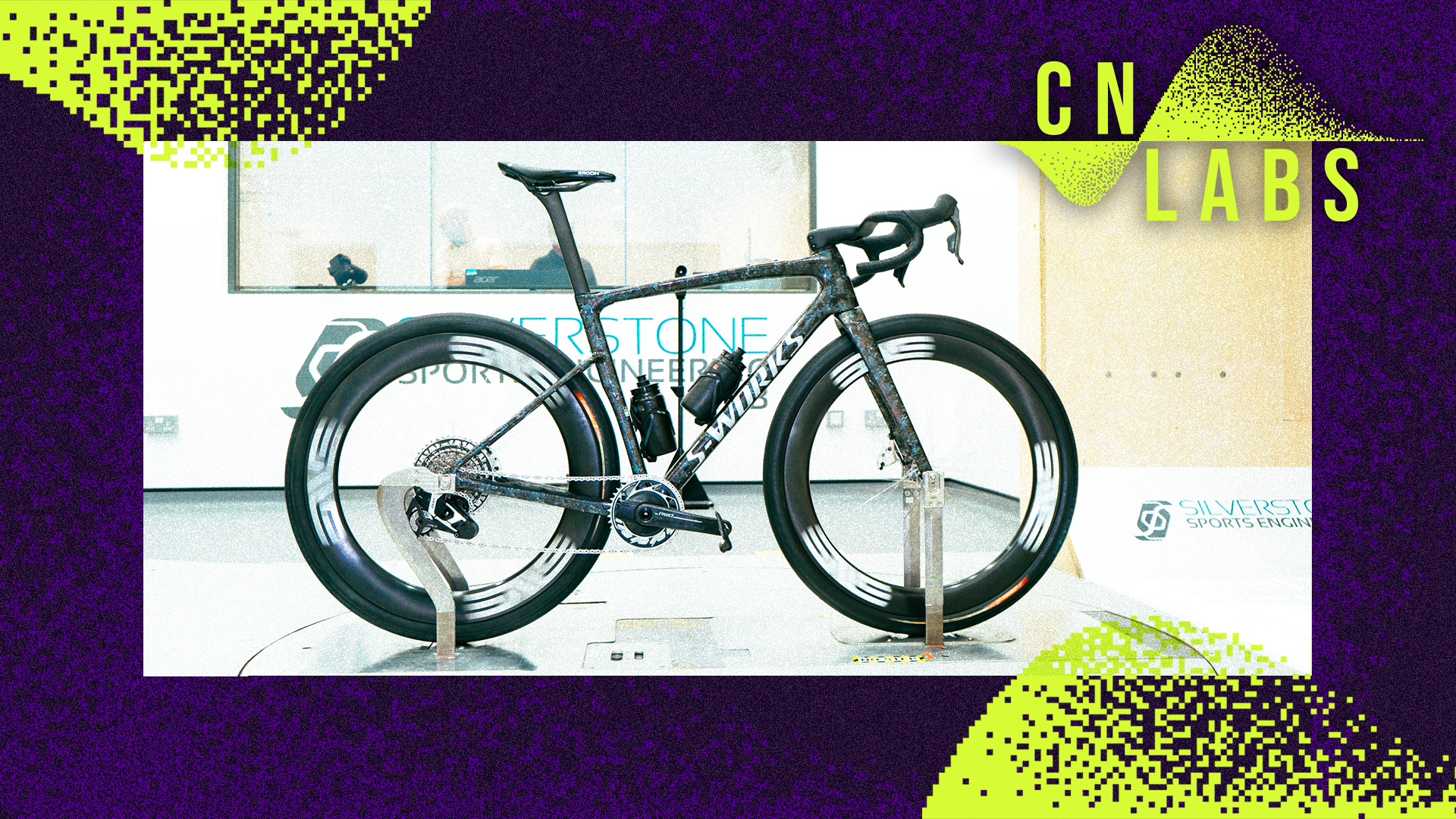
To verify these claims, Cyclingnews conducted exclusive wind tunnel testing at the Silverstone Sports Engineering Hub, comparing the Crux against several rival gravel race bikes, including the Wilier Rave SLR ID2 and Trek Checkmate SLR. Testing protocols were carefully designed to replicate realistic gravel racing conditions, using a 35km/h wind speed and seven yaw angles ranging from -15° to +15°. Each bike was tested both with and without a rider, using standardised components such as control tyres and wheels to ensure fairness. Bottles and cages were included to reflect typical race setups, while certain accessories like out-front computer mounts were removed for consistency.
The results revealed that the Crux, despite its unconventional aero appearance, performed well aerodynamically, surpassing many competitors including the Trek Emonda ALR. Without a rider, the Crux’s design showed a relatively stable aerodynamic profile across different wind angles, suggesting efficient airflow management. This contrasts with more extreme aero bikes that often exhibit more variable drag depending on wind direction. The testing also highlighted the importance of real-world conditions in assessing gravel bike aerodynamics, where tyre clearance and frame shape must balance speed with versatility.
While the wind tunnel data supports Specialized’s claims of improved aerodynamics, the testing acknowledged inherent margins of error and the challenges of replicating dynamic race environments. The Crux’s combination of light weight and aerodynamic gains represents a significant step forward for gravel race bike design, but its premium cost may limit accessibility. Further comparisons with other models from the test cohort are expected to provide a broader perspective on how the Crux stacks up in the evolving gravel bike market.