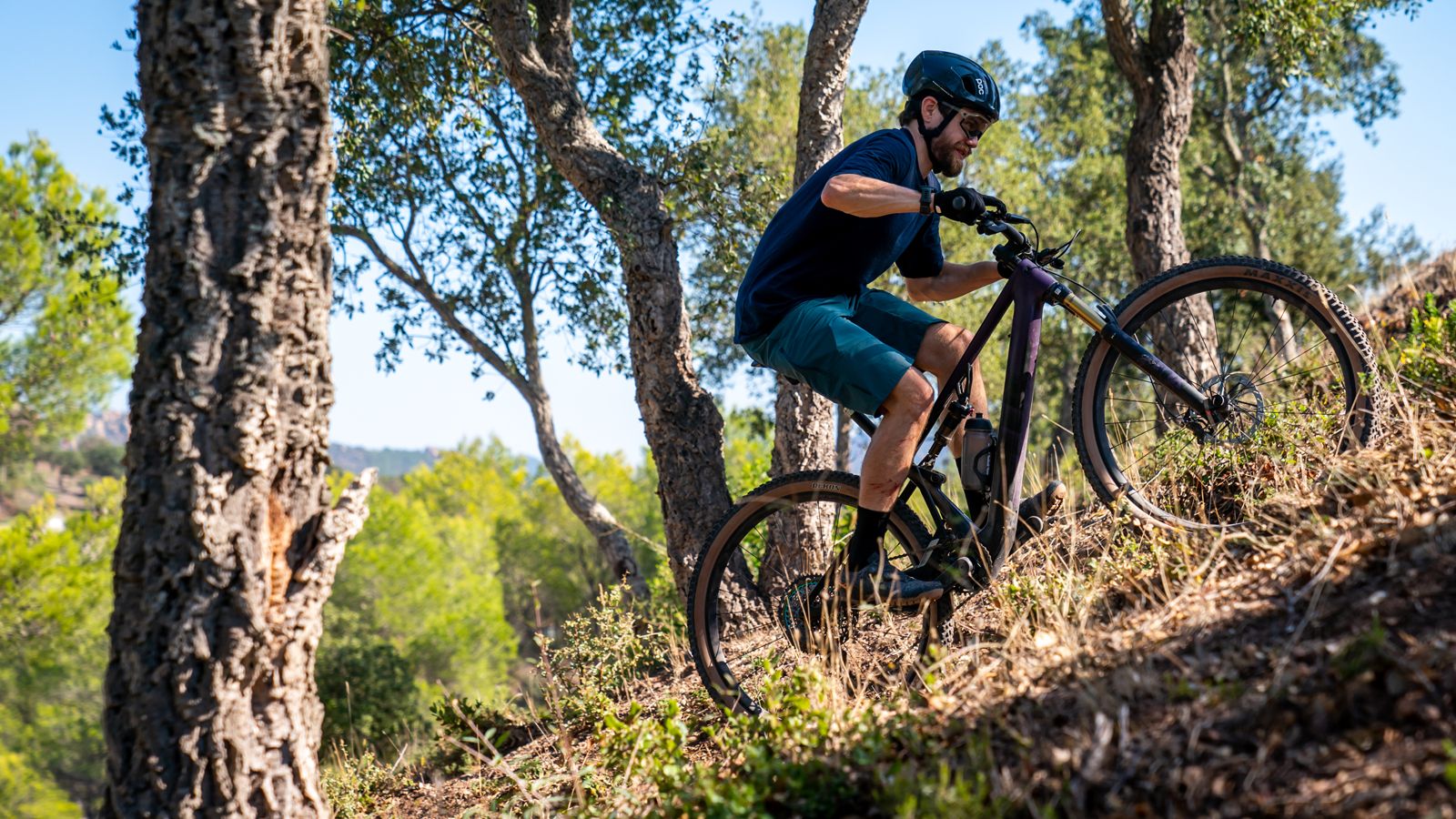
Summary By: eMotoXMountain bike saddle setup is often overlooked despite its significant impact on rider comfort and performance. Unlike road or gravel bikes, where saddle positioning is relatively static and focused on pedalling efficiency, mountain biking involves varied terrain and dynamic riding positions that make saddle adjustment more complex. While many riders may not spend as much time seated on an MTB, the extremes of gradients and technical trails mean that finding the right saddle position can greatly enhance comfort and control.
Choosing the right saddle is a highly individual decision influenced by riding style and personal preference. Saddles vary in width, shape, padding, and design depending on the discipline, from cross-country to downhill and e-MTBs. Measuring sit bones to determine saddle width is a useful starting point, and some bike shops offer fitting services or demo saddles to help riders find the best fit. However, no single saddle suits everyone, and riders often need to experiment with different models or adjust their current saddle before investing in a new one.
More critical than the saddle itself is how it is set up on the bike. Adjustments to saddle height, angle, and fore-aft position can dramatically affect comfort, not only for the rider’s sit bones but also for their back, shoulders, wrists, and knees. These changes influence weight distribution and bike handling, particularly on climbs and descents. For instance, pushing the saddle forward on bikes with slack seat tube angles helps reduce front wheel lift on steep climbs, while tilt adjustments can accommodate different riding demands, such as more negative tilt for climbing or positive tilt for gravity riding.
The interplay between saddle position and bike geometry means that what works on one bike may not translate directly to another. Factors like crank length, suspension sag, and seat tube angle all interact with saddle setup, requiring riders to be patient and methodical when making adjustments. This nuanced relationship underscores the importance of incremental changes and careful observation of their effects, rather than quick fixes or relying solely on generic advice.
Ultimately, mountain bikers stand to benefit from dedicating time to understand and refine their saddle setup. Even small tweaks to the position of an existing saddle can yield significant improvements in comfort and performance, potentially reducing fatigue and enhancing control on challenging trails. For those considering a new saddle, thorough research and trial opportunities can help avoid costly mistakes, but the key lies in recognising that saddle setup is a dynamic process tailored to the individual rider and their specific bike.