EV news article header featuring electric vehicle news, EV charging station, electric car updates and industry insights

News Menu

bicycle news feed and industry updates for eBike and cycling news
Click for Bicycle News
latest eBike news aggregator covering electric bike updates, reviews and industry trends
Click for eBike News
electric motocross news feed with latest dirt bike updates, reviews and industry insights
Click for eMotocross News
latest eScooter news aggregator featuring electric scooter news feed, updates, reviews and industry trends
Click for eScooter news
Article By:
CleanTechnica
2026-06-05 22:24:37

It’s Okay To Grab A Quick Granola Bar, Right? Sourcing Food For A Clean Climate

Summary By: eMotoX
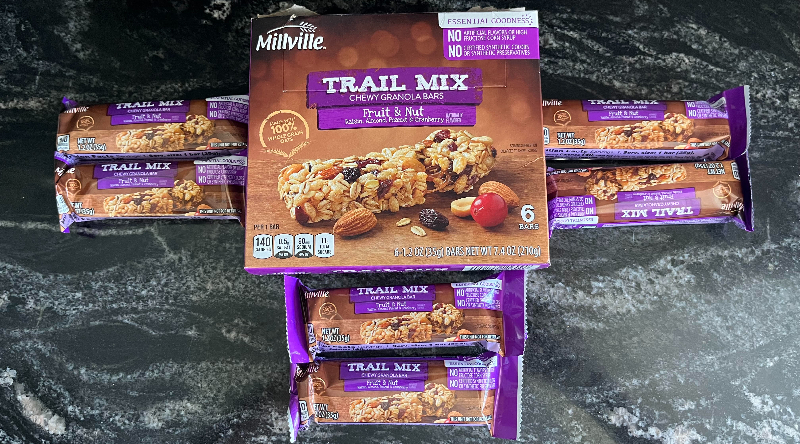
Modern dietary habits are shaped by the demands of busy lifestyles, often leading to reliance on convenient, processed foods such as granola bars and fast meals. While these choices provide comfort and social enjoyment, they contribute significantly to environmental degradation, particularly through industrial agriculture’s impact on the climate. The challenge lies in balancing the convenience of contemporary eating patterns with the urgent need to source food in ways that mitigate planetary harm. The recent Make America Healthy Again (MAHA) Commission report sought to address US dietary health but fell short of confronting the widespread consumption of ultraprocessed foods or offering robust agricultural innovation strategies. Although the report acknowledged the importance of nutrition and physical activity, it lacked substantive policy recommendations and scientific backing, particularly regarding the marketing of unhealthy foods to children. Nevertheless, its engagement with diverse communities and openness to differing viewpoints provide a foundation for ongoing dialogue and future reforms in food and agricultural policy. The article highlights the case of Nature Valley granola bars as an example of how processed snacks are marketed as wholesome despite containing questionable ingredients like sugar, corn syrup, and traces of herbicides such as glyphosate. This disconnect between marketing and nutritional value reflects broader trends in industrial agriculture, which prioritises profit over health by focusing on producing animal feed, biofuels, and processed food components rather than nourishing food. Such practices have contributed to public mistrust and legal challenges against food manufacturers. Economic pressures on US agriculture further complicate the food system’s sustainability. Policies and geopolitical conflicts have driven up costs for farmers, with significant increases in diesel and fertiliser prices leading to widespread financial distress and farm bankruptcies. The consolidation of farms has also eroded the viability of smallholder operations, which are crucial for local food resilience. Advocates argue for greater support of regional food systems that prioritise soil health, biodiversity, and community infrastructure to foster more sustainable and circular agricultural practices. Moving forward, the article suggests that addressing climate and health challenges in food systems requires a shift towards empowering local farmers and developing technologies that support native food ecosystems. Building resilient, community-based food networks could reduce reliance on industrial agriculture and promote environmental stewardship. While the path to clean, sustainable food sourcing is complex, embracing innovation and regulatory reform remains essential for reconciling modern dietary habits with the planet’s ecological limits.