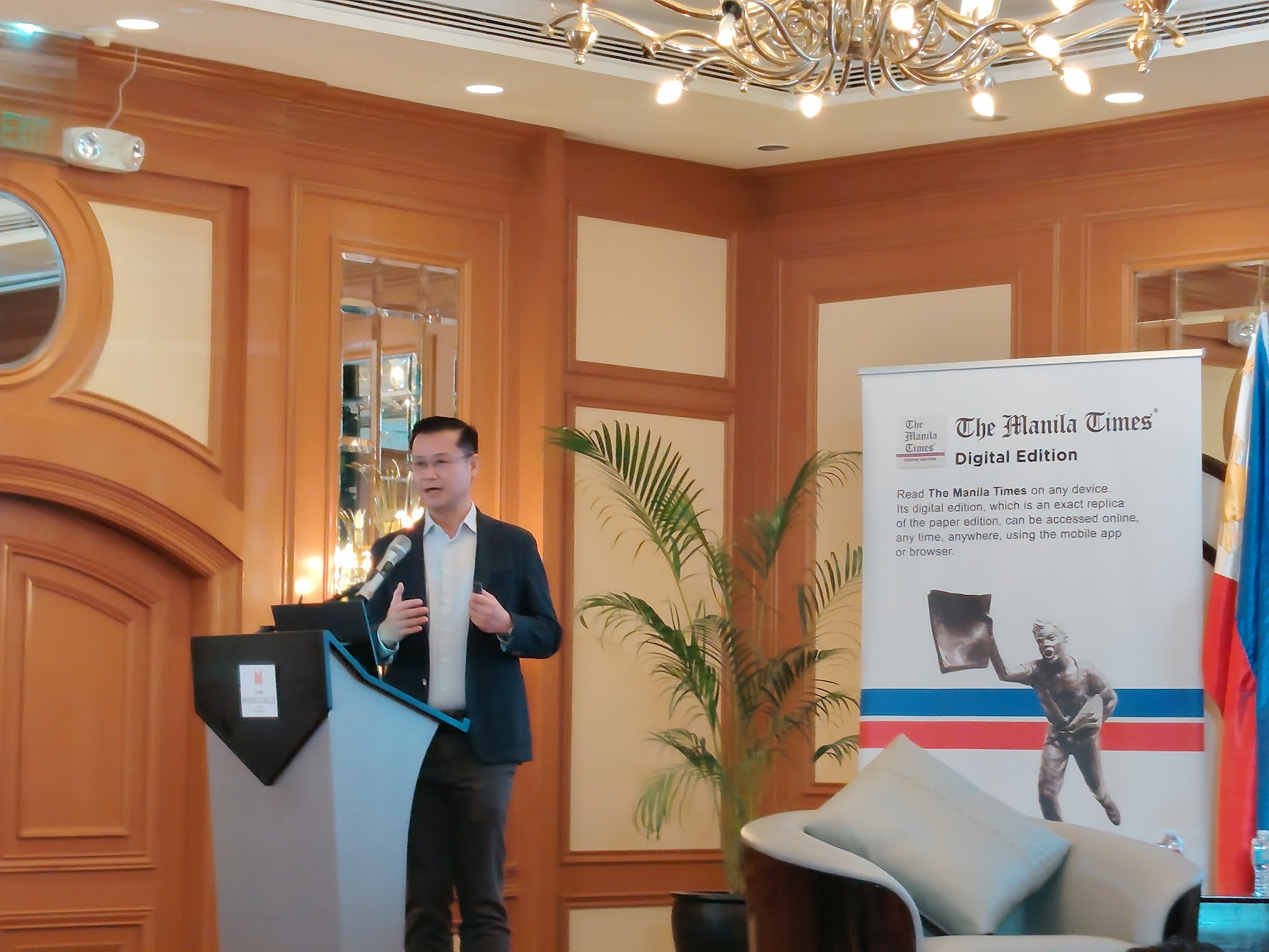
Summary By: eMotoXThe Philippines, despite holding some of the world’s largest nickel reserves—a key component in electric vehicle (EV) batteries—has seen minimal EV adoption, with electric vehicles comprising only about 1 percent of its road traffic. This paradox has sparked debate among lawmakers who are advocating for stronger policies to hasten the country’s transition to electric mobility. Senator Sherwin Gatchalian, speaking at The Manila Times Automotive Forum, emphasised the need to move beyond tax incentives and develop a more comprehensive EV ecosystem, highlighting the strategic importance of electrification not just for environmental reasons but for energy security and economic stability.
The country’s heavy reliance on imported petroleum, particularly for transportation which accounts for over half of national oil consumption, exposes it to global oil price fluctuations and geopolitical risks. Recent tensions in the Middle East have underscored this vulnerability, prompting calls for a shift towards electrification as a means to reduce dependence on imported fuels. Unlike Western nations where EV adoption is primarily driven by emissions reduction goals, the Philippines and other emerging markets view electrification as a critical strategy to enhance energy independence and reduce long-term transport costs.
Regionally, the Philippines lags behind neighbours such as Thailand, Indonesia, and Vietnam, which have made significant strides in EV manufacturing and battery production. While the country exports large quantities of raw nickel, much of this is processed abroad, particularly in China, which dominates the global battery supply chain. Senator Gatchalian questioned why the Philippines does not develop its own battery manufacturing capabilities, a move that could add significant value domestically. Proposed amendments to the Electric Vehicle Industry Development Act (EVIDA) aim to accelerate EV adoption and infrastructure growth, including mandates for commercial parking allocations, incentives like discounted parking and toll exemptions, and a gradual phaseout of internal combustion engine vehicles in public fleets starting in 2028.
Despite the removal of excise taxes and tariffs on EVs, high upfront costs remain a barrier for most consumers, with battery prices still constituting a significant portion of total vehicle cost. Government-backed financing schemes are being considered to bridge this affordability gap. Infrastructure challenges persist, particularly outside major cities where public charging stations are scarce, contributing to consumer hesitancy. The unique nature of Philippine transportation, heavily reliant on public utility vehicles and jeepneys rather than private cars, means that electrification efforts may need to focus more on commercial fleet conversion. Subsidies for electric public utility vehicles are under consideration, which could substantially reduce urban emissions and fuel consumption if implemented effectively.