EV news article header featuring electric vehicle news, EV charging station, electric car updates and industry insights

News Menu

bicycle news feed and industry updates for eBike and cycling news
Click for Bicycle News
latest eBike news aggregator covering electric bike updates, reviews and industry trends
Click for eBike News
electric motocross news feed with latest dirt bike updates, reviews and industry insights
Click for eMotocross News
latest eScooter news aggregator featuring electric scooter news feed, updates, reviews and industry trends
Click for eScooter news
Article By:
CleanTechnica
2026-05-29 03:57:46

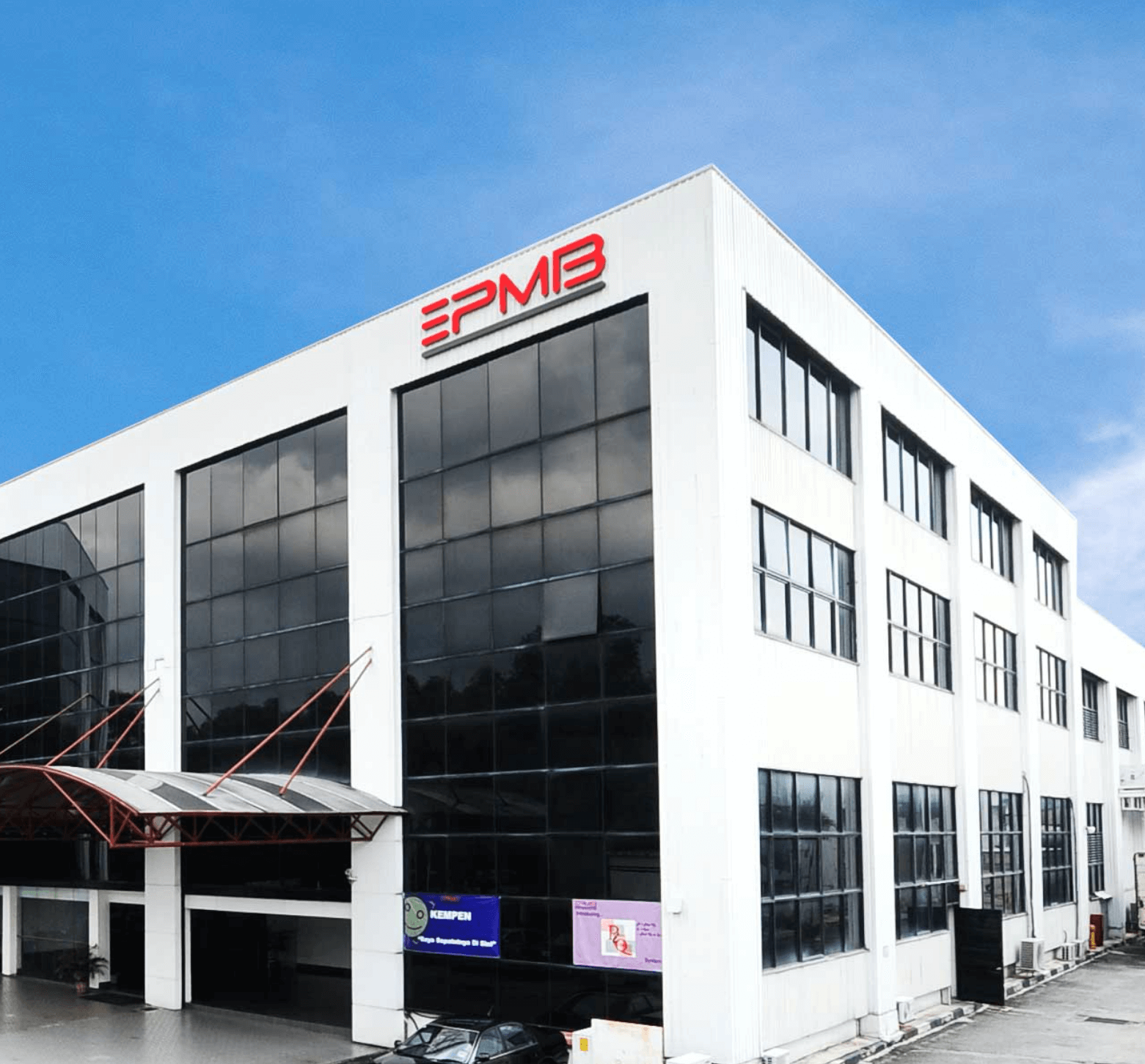
Malacca’s EV Ambitions Shift From Promise to Production

Summary By: eMotoX
Malacca is rapidly transforming from a site of ambitious electric vehicle (EV) investment announcements into a tangible manufacturing hub for Chinese EV brands targeting Southeast Asia. Central to this development is EP Manufacturing Berhad’s (EPMB) Pegoh facility, which has evolved into an export-oriented assembly centre. Initially linked to Great Wall Motor, the plant now assembles vehicles for multiple Chinese automakers, including XPeng, MG, and BAIC, signalling a significant shift towards local production rather than mere assembly of imported kits. The Pegoh plant’s expansion underlines Malaysia’s strategic positioning within the ASEAN automotive landscape. Unlike Indonesia, which focuses on battery mineral processing, or Thailand, a traditional automotive powerhouse, Malaysia is carving out a niche as a right-hand-drive assembly and export hub for Chinese EV manufacturers. The facility’s production capacity is set to increase from 6,000 to 30,000 vehicles annually in its second phase, with exports planned to serve regional markets. Notably, XPeng plans to begin local production of its G6 electric SUV and other models in Malaysia by mid-2026, reinforcing the country’s role in the company’s global manufacturing strategy. This localisation push is partly driven by Malaysia’s evolving EV policy framework. Tax incentives for fully imported EVs are due to expire at the end of 2025, encouraging manufacturers to establish local assembly operations to benefit from continued tax breaks through 2027. Chinese brands are responding by deepening their manufacturing presence in Malacca, which offers tariff advantages and improved access to ASEAN markets. The move towards more advanced production capabilities at Pegoh suggests Malaysia is aiming to go beyond simple assembly to become a more integral part of the EV supply chain. While EPMB’s progress contrasts with slower developments at other proposed EV projects in Malacca, such as the Fieldman EV and Changan Automobile partnership, the state is steadily emerging as a new manufacturing node within Southeast Asia’s electrified automotive sector. Analysts caution that the success of this ecosystem depends on sustained regional demand, supply chain localisation, and ongoing government support. Nevertheless, Malacca’s growing concentration of Chinese EV manufacturing activity highlights its increasing importance in the region’s transition to electric mobility.