bicycle news article header featuring cycling news, bike updates, reviews and industry insights

News Menu

latest eBike news aggregator covering electric bike updates, reviews and industry trends
Click for eBike News
electric motocross news feed with latest dirt bike updates, reviews and industry insights
Click for eMotocross News
latest eScooter news aggregator featuring electric scooter news feed, updates, reviews and industry trends
Click for eScooter News
electric vehicle news aggregator featuring latest EV updates, charging and technology news
Click for EV news
Article By:
Cycling Weekly
2026-05-26 13:30:56

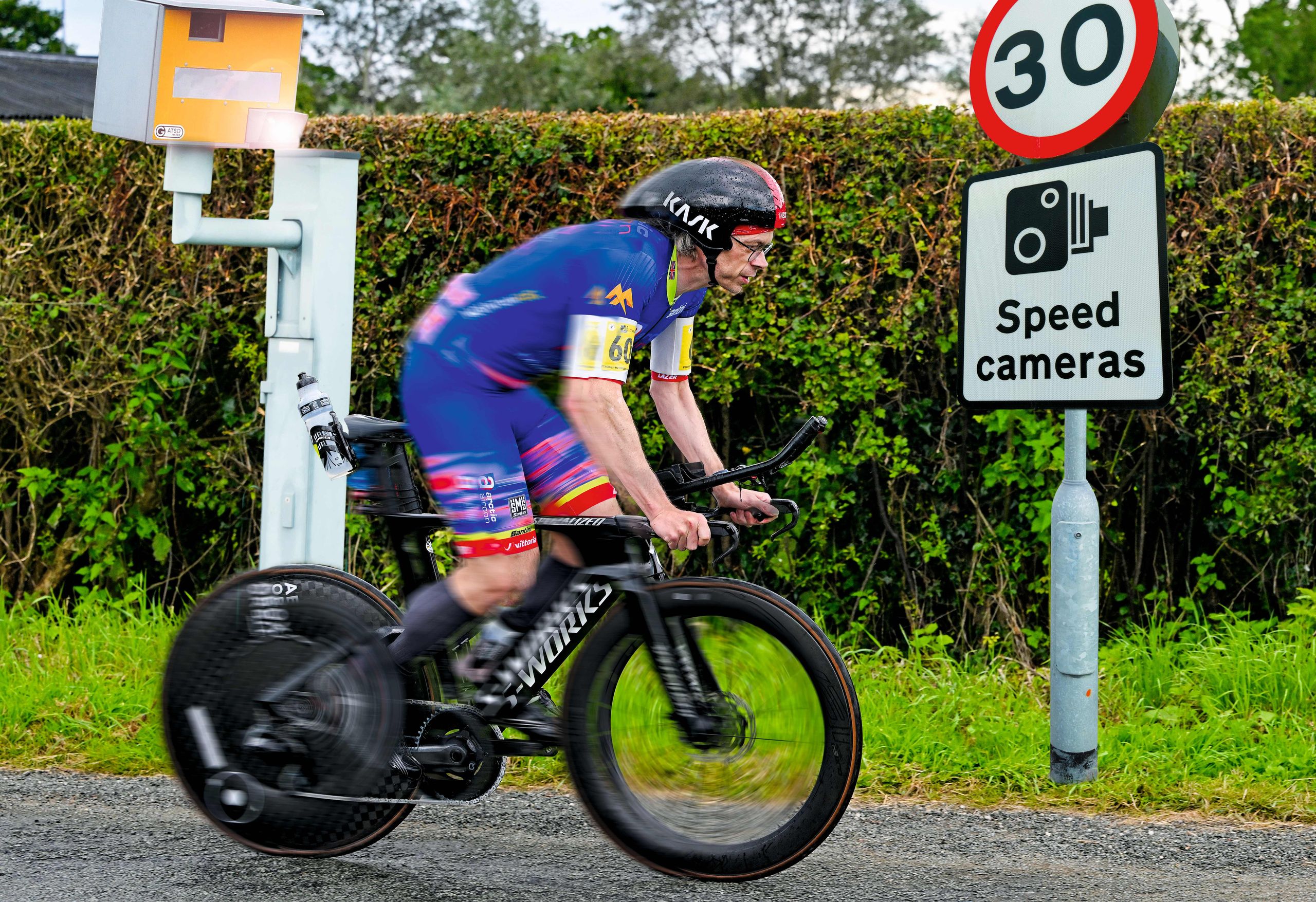
'Most of the nuisance, and the risk, is from something that's already illegal' – Cycling speed limits are preaching to the converted

Summary By: eMotoX
Cycling speed limits on shared paths and in parks are becoming increasingly common in the UK, with local authorities introducing measures such as 15mph limits in Cambridge and 12mph limits enforced by radar guns in parts of London. Traditionally, speed restrictions have applied only to motor vehicles, and cyclists have generally moderated their speed voluntarily, especially in pedestrian-heavy areas. However, the rise of e-bikes and particularly illegally modified e-bikes capable of sustained higher speeds has prompted authorities to reconsider how to manage safety and nuisance on shared routes. The main challenge highlighted is that most of the problematic behaviour comes from riders already breaking the law by using unregistered or unlicensed electric bikes, rather than from the majority of law-abiding cyclists. These illegal e-bike users often disregard speed limits and safety concerns, and are unlikely to be deterred by signage or minor enforcement efforts. Consequently, speed limits may primarily affect responsible cyclists who already ride considerately, while those causing the greatest risk continue largely unchecked. Michael Hutchinson, a multiple national cycling champion and respected author, argues that the current approach conflates different types of riders and bikes, failing to address the root causes of nuisance and danger. He suggests that enforcement of speed limits will be minimal and ineffective, and that the cycling community will continue to face criticism and misunderstanding due to the actions of a minority operating outside the law. Hutchinson calls for a more nuanced approach that distinguishes between legitimate cyclists and those using illegal or inappropriate machines. The article also touches on the historical context of cycling training and culture, noting how attitudes towards riding and speed have evolved over time. While this background is somewhat tangential, it underscores the complexity of cycling behaviour and the challenges in regulating a diverse and changing population of riders. Overall, the introduction of speed limits on bikes may be well-intentioned but risks preaching to the converted without substantially improving safety or reducing nuisance on shared paths.