EV news article header featuring electric vehicle news, EV charging station, electric car updates and industry insights

News Menu

bicycle news feed and industry updates for eBike and cycling news
Click for Bicycle News
latest eBike news aggregator covering electric bike updates, reviews and industry trends
Click for eBike News
electric motocross news feed with latest dirt bike updates, reviews and industry insights
Click for eMotocross News
latest eScooter news aggregator featuring electric scooter news feed, updates, reviews and industry trends
Click for eScooter news
Article By:
The Driven
2026-05-20 07:27:43

Australia’s electric ferry trials: How a lack of foresight drives weak ambition

Summary By: eMotoX
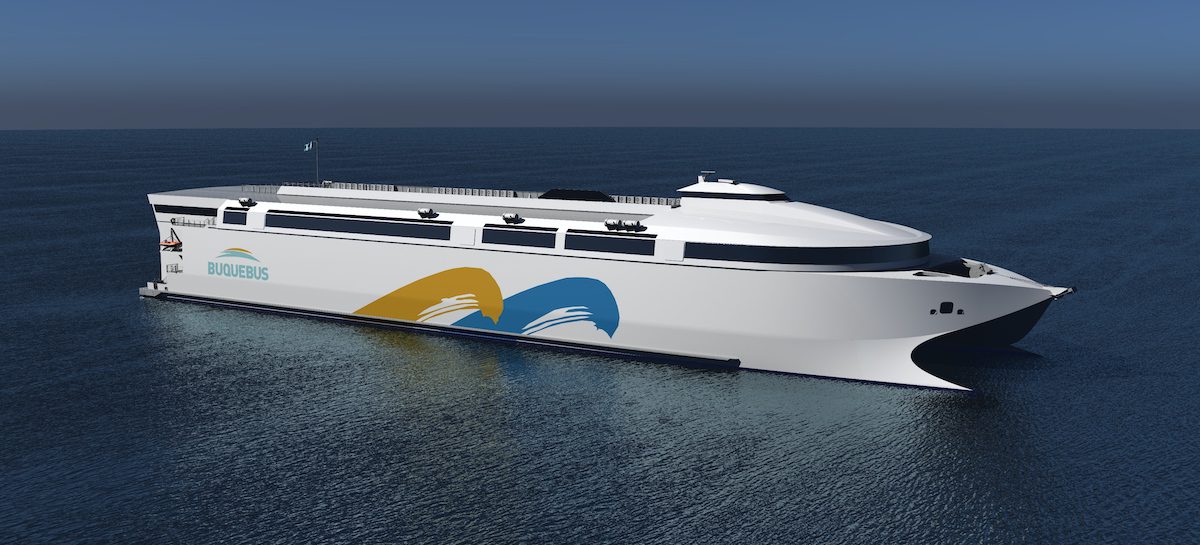
Electric ferries have rapidly transitioned from experimental projects to established transport solutions in countries like Norway, where over a hundred battery-electric vessels operate routinely. Despite this global progress, Australian governments remain hesitant, often framing electric ferry initiatives as preliminary trials rather than fully embracing proven technology. Recent announcements by New South Wales about the “first Aussie-made electric ferry” and “first trial” on Sydney Harbour overlook earlier successful examples, such as Perth’s solar-powered electric ferry and Hobart’s Incat-built China Zorrilla, the world’s largest battery-electric ship. This cautious approach reflects a broader reluctance to move beyond diesel-powered vessels despite clear evidence of electric ferries’ viability. The operational fundamentals of electric ferries mirror those of traditional diesel boats, with no changes to navigation, scheduling, or crew responsibilities. However, electric propulsion offers significant benefits, including lower and more predictable energy costs, enhanced reliability due to simpler drivetrains, and zero emissions at the point of use. As electricity grids become greener, the overall environmental impact decreases further. The article argues that electric ferries should be integrated into public transport systems just as electric buses and trains are, without the need for protracted trials that delay adoption and perpetuate reliance on fossil fuels. Criticism is directed at the ongoing commissioning of diesel vessels and the persistent framing of electric ferries as “hard to abate” technology. This label, the article suggests, is more a reflection of outdated procurement policies and entrenched fossil fuel interests than of technological limitations. Norway’s swift shift from initial battery ferry trials to a predominantly electric newbuild pipeline within a decade serves as a benchmark for Australia, which has only recently begun placing serious orders. The piece calls for a fundamental change in mindset, urging governments to cease demanding proof of capability for electric ferries and instead proceed directly with fleet-wide electrification based on existing global evidence. The implications of continued delay are significant, locking in higher emissions, fuel costs, and environmental impacts for years to come. With urban and short-sea ferry routes ideally suited to battery-electric operation and shore power integration, the article stresses the urgency of updating procurement frameworks to reflect current realities. Embracing electric ferries now would align Australia with international best practice and contribute meaningfully to transport decarbonisation goals. The message is clear: the technology is ready, the benefits are proven, and the time for cautious trials has passed.