Article By:
CleanTechnica
2026-05-16 19:31:33
Elon Musk Gets A Whole New York Times Article For Making Faces At A Chinese Luncheon
Summary By: eMotoX
Elon Musk recently attracted significant media attention during a high-profile gathering in China, where he was photographed making faces as Xiaomi CEO Lei Jun took a selfie with him. This seemingly trivial moment was extensively covered by the New York Times, highlighting how Musk’s public persona continues to captivate global audiences. The event took place amidst a broader context of major tech and political figures, including Donald Trump and Chinese President Xi Jinping, meeting to discuss pivotal economic and technological issues.
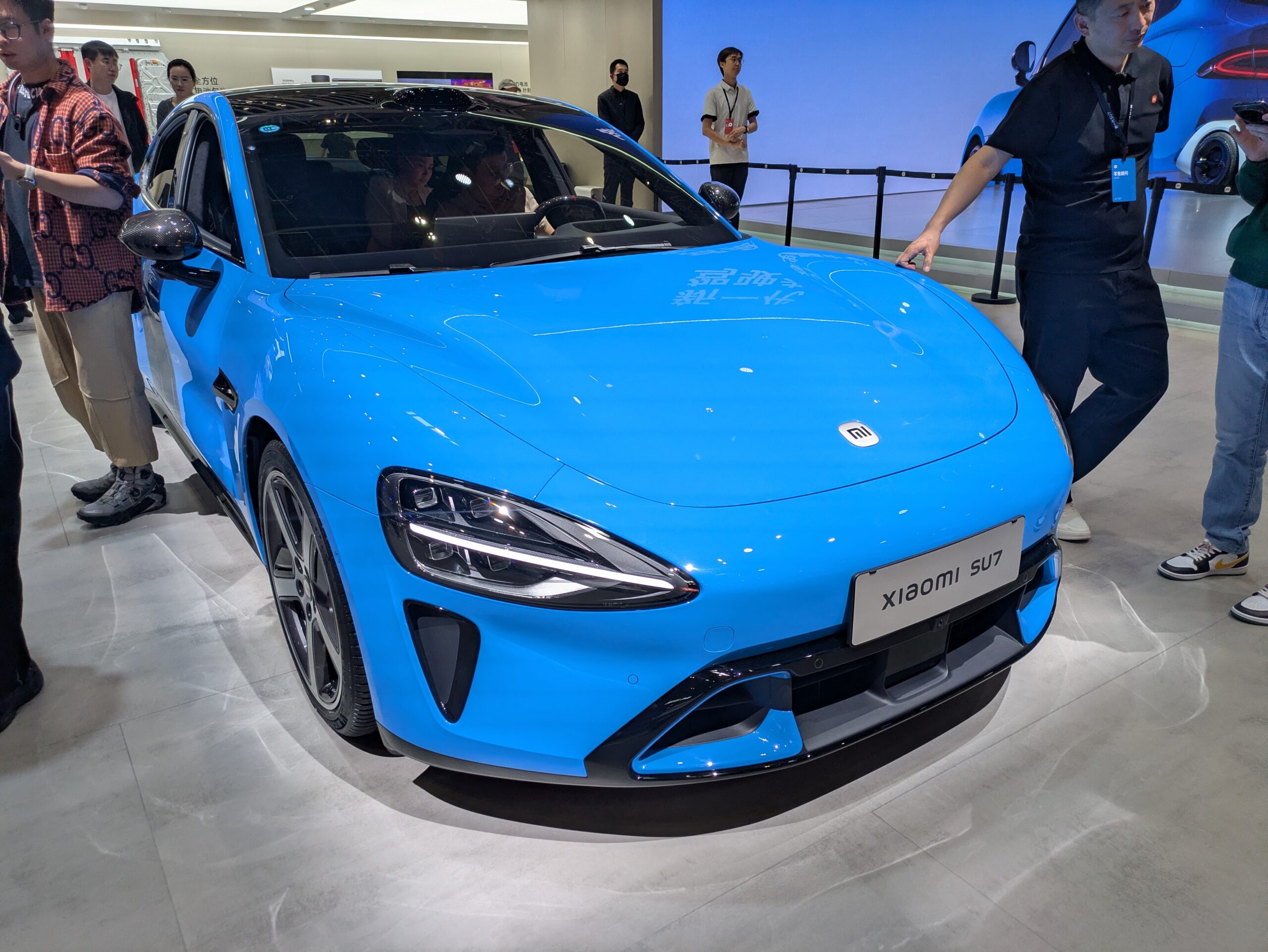
Xiaomi, once known primarily for affordable smartphones, has rapidly emerged as a major player in the electric vehicle (EV) market. Its latest model, the Xiaomi SU7, recently surpassed Tesla’s Model Y to become the second best-selling car in China. The company’s success underscores China’s growing dominance in the EV sector, although Xiaomi’s vehicles remain largely barred from the US market due to steep tariffs on Chinese imports. These tariffs, which include 100% on EVs and significant duties on components like chips and batteries, are a major sticking point in ongoing trade negotiations.
The presence of Musk and other industry leaders at the summit signals the high stakes involved in US-China trade relations, particularly concerning technology and automotive sectors. While some US lawmakers remain wary of allowing Chinese automakers into the domestic market, fearing job losses and industrial decline in key states, others argue that innovation and competition are essential for the US industry’s long-term health. The debate reflects broader tensions between protectionism and global market integration, with potential implications for tariffs and future trade policies.
Politicians such as Michigan’s Debbie Dingell have voiced strong opposition to Chinese EV imports, warning of predatory pricing strategies aimed at undermining American manufacturers. Meanwhile, Musk’s involvement suggests a nuanced position; while Tesla faces competition from Chinese brands abroad, Musk benefits from access to affordable Chinese components for his various ventures, including Tesla, SpaceX, and other technology projects. His presence at the talks likely indicates a desire to ease trade barriers, though his exact objectives remain unclear.
The unfolding discussions between US and Chinese leaders, alongside industry titans, will be crucial in shaping the future of electric vehicles and technology supply chains. Whether tariffs will be reduced or adjusted remains uncertain, but the stakes are high for both countries’ economies and the global EV market. As Chinese manufacturers continue to expand internationally, the US must balance protecting domestic jobs with fostering innovation and competitiveness in an increasingly interconnected industry.