bicycle news article header featuring cycling news, bike updates, reviews and industry insights

News Menu

latest eBike news aggregator covering electric bike updates, reviews and industry trends
Click for eBike News
electric motocross news feed with latest dirt bike updates, reviews and industry insights
Click for eMotocross News
latest eScooter news aggregator featuring electric scooter news feed, updates, reviews and industry trends
Click for eScooter News
electric vehicle news aggregator featuring latest EV updates, charging and technology news
Click for EV news
Article By:
Cycling Weekly
2026-05-17 14:15:00

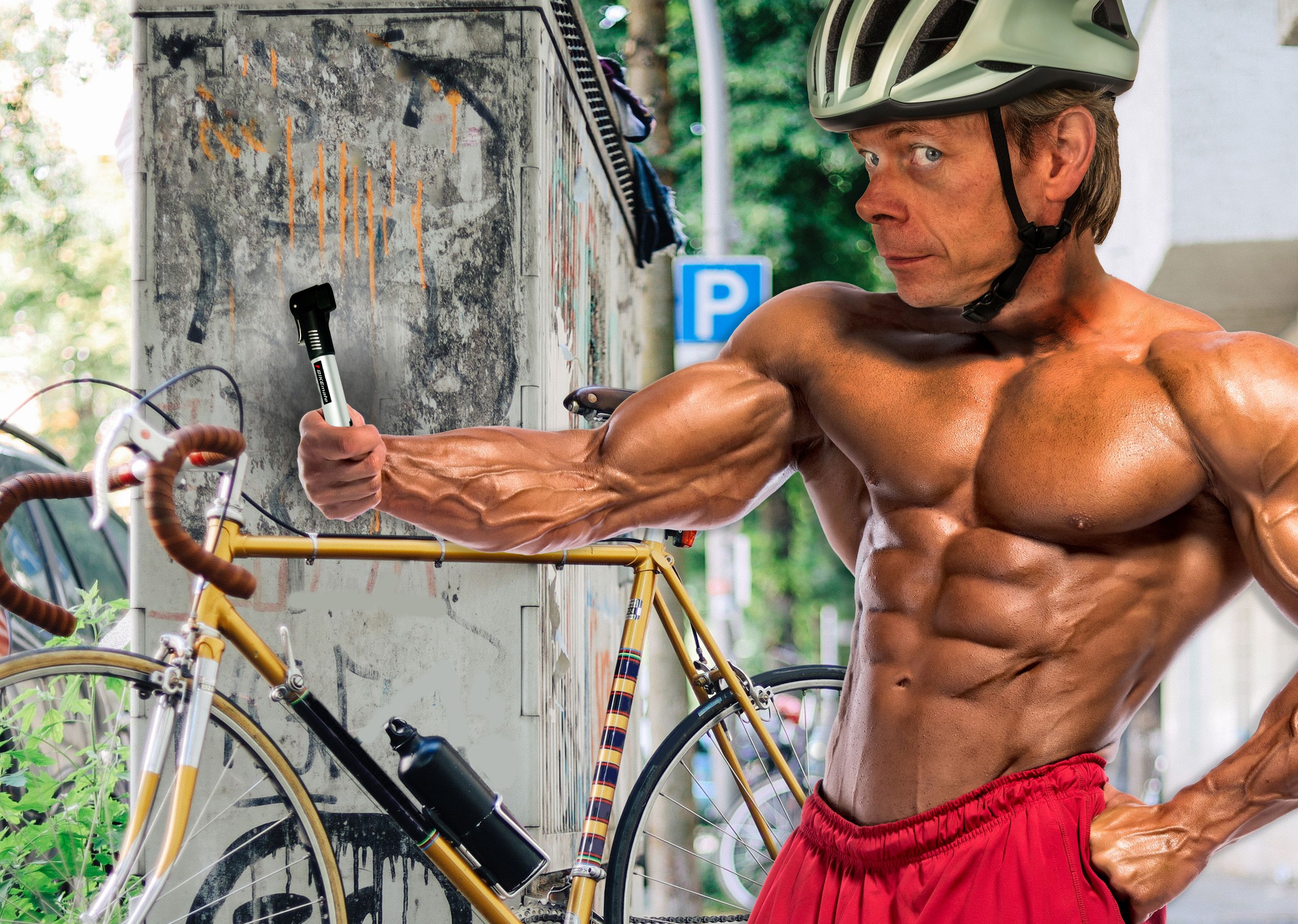
We used to know how to pump things up with pumps that didn’t really work

Summary By: eMotoX
Cycling has undergone a significant transformation in recent years, with many skills once considered fundamental now fading into obscurity. Tasks such as truing a wheel, which involved manually adjusting spokes to straighten a warped rim, have become almost alien to riders who have taken up the sport more recently. Similarly, the nuanced understanding of frame metallurgy, once a topic of keen interest despite its limited impact on performance, has given way to a more pragmatic approach focused on modern materials and technology. The article reflects nostalgically on the era when cyclists had to contend with less reliable equipment and more hands-on maintenance. Pumping up tyres to high pressures with inefficient mini pumps was a common, if arduous, part of the routine, providing an unexpected workout. The skill of gluing tubular tyres onto rims, a delicate and messy process that demanded patience and precision, has nearly vanished with the advent of tubeless and clincher tyres, marking a clear departure from traditional cycling practices. These changes are not merely technical but cultural, highlighting how the evolution of cycling technology reshapes the rider’s experience and expertise. The author warns that current skills, such as clipping into pedals or using torque wrenches, may one day seem just as quaint as the old methods now do. This shift underscores the rapid pace of innovation in cycling, where what is standard today may become obsolete tomorrow. The article also touches on a historic milestone in cycling performance linked to altitude training, referencing the 1968 Mexico City Olympics. The thin air at over 2,000 metres led to record-breaking times on the track and road, revealing new possibilities for speed and endurance. This event sparked a broader interest in altitude training, influencing how cyclists prepare and compete, and demonstrating how environmental factors can drive advances in athletic performance. Overall, the piece offers a thoughtful meditation on the passage of time in cycling, blending technical insight with a sense of loss for the tactile skills and traditions that once defined the sport. It invites readers to appreciate both the heritage of cycling and the exciting innovations that continue to shape its future.