EV news article header featuring electric vehicle news, EV charging station, electric car updates and industry insights

News Menu

bicycle news feed and industry updates for eBike and cycling news
Click for Bicycle News
latest eBike news aggregator covering electric bike updates, reviews and industry trends
Click for eBike News
electric motocross news feed with latest dirt bike updates, reviews and industry insights
Click for eMotocross News
latest eScooter news aggregator featuring electric scooter news feed, updates, reviews and industry trends
Click for eScooter news
Article By:
Charged EVs
2026-05-14 15:35:53

How government helped build America’s EV charging market

Summary By: eMotoX
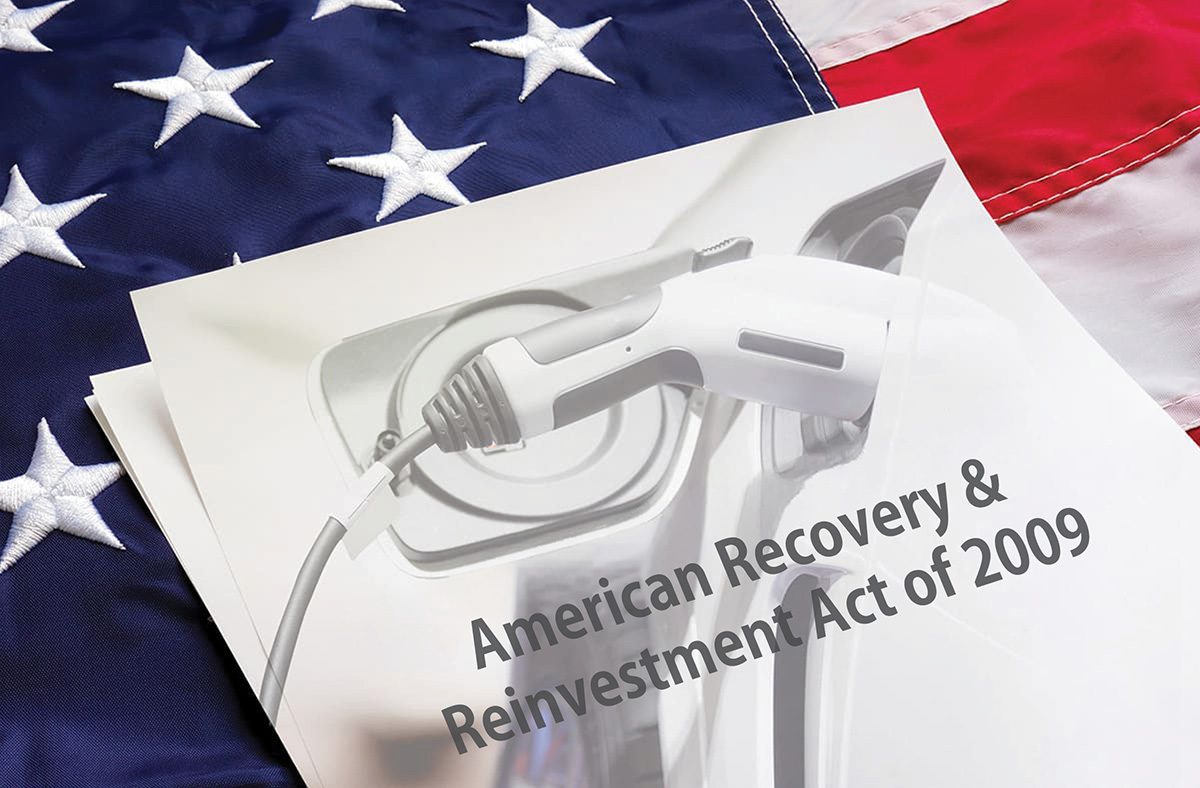
The development of the United States’ electric vehicle (EV) charging market has been significantly shaped by federal government intervention, which provided crucial early funding and policy frameworks. Initial efforts began with the American Recovery and Reinvestment Act (ARRA) of 2009, enacted in response to the Great Recession. Although the EV charging component represented a small fraction of the overall stimulus package, it funded pioneering projects like the EV Project and ChargePoint America. These initiatives not only installed thousands of chargers but also generated vital real-world data on charger utilisation, costs, and operational challenges, laying the foundation for future infrastructure planning and deployment. ARRA’s impact extended beyond direct funding, as it helped the industry navigate complex permitting processes and fostered collaboration with utilities and local authorities. The lessons learned from these early programmes continue to influence charging strategies today. Additionally, ARRA expanded tax credits for EV charging infrastructure, improving the financial viability of projects. Subsequent federal efforts, such as the Department of Energy’s loan programmes and the designation of national EV charging corridors under the FAST Act of 2015, further supported the growth of the charging network by providing low-interest financing and strategic planning guidance. The more recent legislative packages, namely the Infrastructure Investment and Jobs Act (IIJA) and the Inflation Reduction Act (IRA), have sought to scale up the EV charging market dramatically. Passed in the wake of the COVID-19 pandemic, these laws represent a substantial increase in federal investment, with billions allocated towards expanding fast-charging infrastructure and supporting strategic deployment nationwide. Unlike the ARRA’s proof-of-concept approach, the IIJA and IRA aim to industrialise the market, creating a durable baseline of demand and infrastructure to accelerate EV adoption across the country. The evolution of federal policy highlights the dynamic relationship between government action and market development in the EV charging sector. While early programmes focused on experimentation and data collection, recent legislation emphasises large-scale deployment and long-term sustainability. However, the policy environment remains subject to change, as seen in the uncertainty around 2025, which can impact network operators, site hosts, and investors. Going forward, the continued interplay between government initiatives and private sector innovation will be critical to achieving a robust and accessible EV charging network in the United States.