EV news article header featuring electric vehicle news, EV charging station, electric car updates and industry insights

News Menu

bicycle news feed and industry updates for eBike and cycling news
Click for Bicycle News
latest eBike news aggregator covering electric bike updates, reviews and industry trends
Click for eBike News
electric motocross news feed with latest dirt bike updates, reviews and industry insights
Click for eMotocross News
latest eScooter news aggregator featuring electric scooter news feed, updates, reviews and industry trends
Click for eScooter news
Article By:
Charged EVs
2026-05-13 15:16:17

In Costa Rica, Chinese EVs are squeezing out US and European brands

Summary By: eMotoX
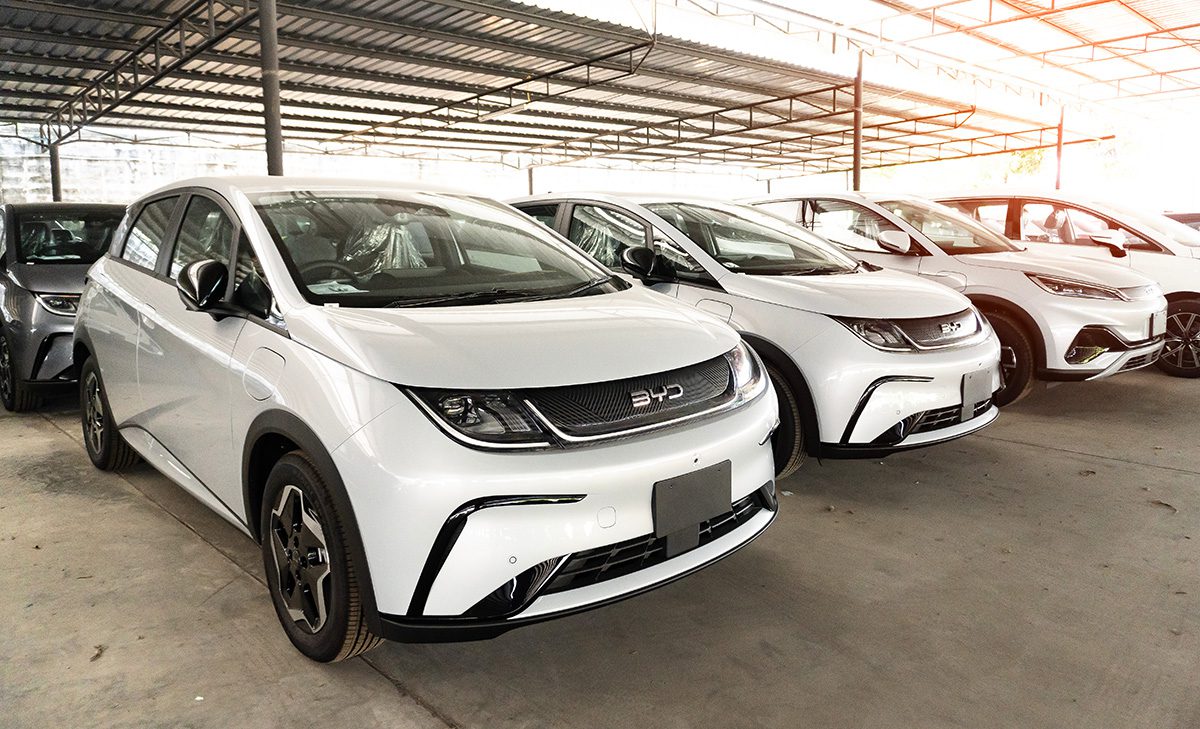
Costa Rica is emerging as a significant market for electric vehicles (EVs), with Chinese-made models rapidly gaining ground over US and European brands. In the first quarter of 2026, EVs represented 18 percent of new car sales in the country, a figure surpassed only by Uruguay in Latin America and far exceeding the US market share. This surge highlights a broader trend in developing regions, where EV adoption is accelerating without the political polarisation seen in the United States. Despite President Rodrigo Chaves’s scepticism towards some environmental agreements, Costa Rica is advancing policies to support EV infrastructure, including legislation aimed at expanding charging networks. Chinese automakers dominate Costa Rica’s EV landscape, offering a wide range of affordable models that appeal to cost-conscious buyers. Brands such as BYD, Geely, and MG provide vehicles priced below $20,000, making electric cars accessible to a larger segment of the population. While Toyota remains the most popular brand overall, its market share is declining amid the influx of Chinese imports, which now constitute over a third of the country’s car market. Tesla vehicles remain rare, partly due to compatibility issues with charging infrastructure, as many Chinese EVs use different plug standards that require adapters to connect to the CCS chargers prevalent in Costa Rica. The shift to electric transport extends beyond private cars, with commercial fleets also embracing Chinese EVs to cut costs and improve service quality. Costa Rican grocery chain Auto Mercado has reduced delivery expenses by up to 10 percent after switching to electric vans from BYD and Maxus. Similarly, the private bus operator Biusa is replacing its entire fleet with battery-powered vehicles from King Long, despite the higher upfront cost. The company anticipates rapid payback through fuel and maintenance savings, while passengers appreciate the quieter, more comfortable rides. Costa Rica’s experience illustrates the growing influence of Chinese EV manufacturers in emerging markets, where affordability and practicality drive adoption more than environmental concerns. The country’s supportive policies and expanding infrastructure are fostering a favourable environment for electrification, even amid political complexities. As the EV market continues to evolve globally, the success of Chinese brands in places like Costa Rica could reshape the competitive landscape and accelerate the transition to electric mobility in the developing world.