Summary By: eMotoXThe electric vehicle (EV) battery ecosystem in the United States continues to develop robustly despite recent shifts in federal energy policy. Notably, companies like Ford remain committed to producing affordable electric vehicles, with their electric pickup truck slated for a 2027 launch, featuring cost-effective battery technology. Startups such as Anthro Energy are advancing domestic battery component manufacturing, while Nevada-based Dragonfly Energy is pioneering an innovative, Asian-style battery production model that emphasises efficiency and sustainability.
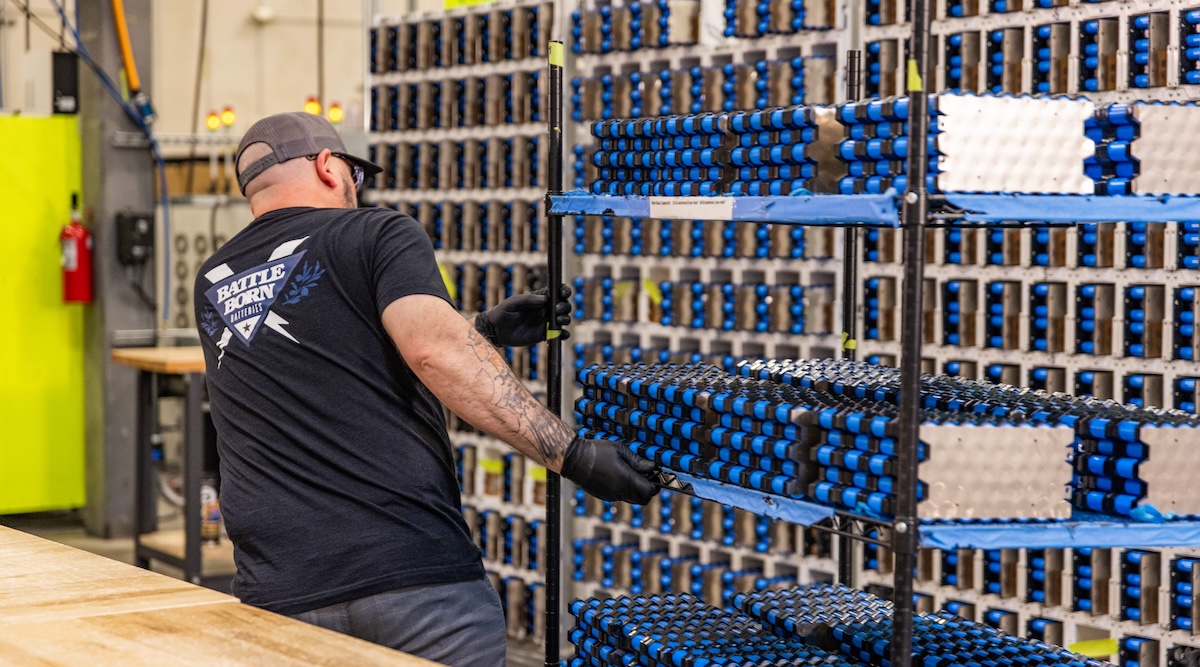
Dragonfly Energy’s dry electrode manufacturing process represents a significant technological advancement, eliminating toxic solvents and reducing energy consumption by approximately 25%. This method not only cuts production costs by around 5% but also improves battery performance through enhanced uniformity and durability, leading to better energy density, safety, and cycle life. The company recently secured $527,000 in funding from the Nevada Tech Hub, supplemented by an internal investment, to expand its in-house prototyping and testing capabilities, accelerating the development of next-generation battery cells.
The company’s approach integrates battery pack expertise with cell development to create a highly efficient feedback loop between laboratory research, manufacturing, and real-world application. This vertical integration, combined with advanced data collection and analysis systems, mirrors the operational efficiencies typically seen in large Asian battery manufacturers. Dragonfly’s technology supports a range of applications beyond passenger EVs, including electric power systems for trucking and industrial vehicles, which reduce reliance on idling engines and fossil fuels.
Dragonfly’s battery chemistries focus on lithium-iron-phosphate (LiFePO4) and nickel-manganese-cobalt (NMC), each tailored to different performance needs. LiFePO4 offers superior safety and longevity, ideal for everyday use, while NMC provides higher energy density suited to extended range and high-performance demands. Through its partnership with the Nevada Tech Hub, Dragonfly is contributing to the creation of a closed-loop lithium economy in the region, fostering collaboration across industry and academia to strengthen the domestic EV battery supply chain.
These developments signal a promising future for the US EV battery industry, with innovative manufacturing techniques and strategic investments driving progress amid policy uncertainties. As companies like Dragonfly Energy continue to refine their technologies and expand production capabilities, the prospect of a competitive, sustainable, and vertically integrated battery ecosystem in the US grows increasingly tangible. This momentum could play a crucial role in supporting broader electrification goals and reducing reliance on imported battery components.