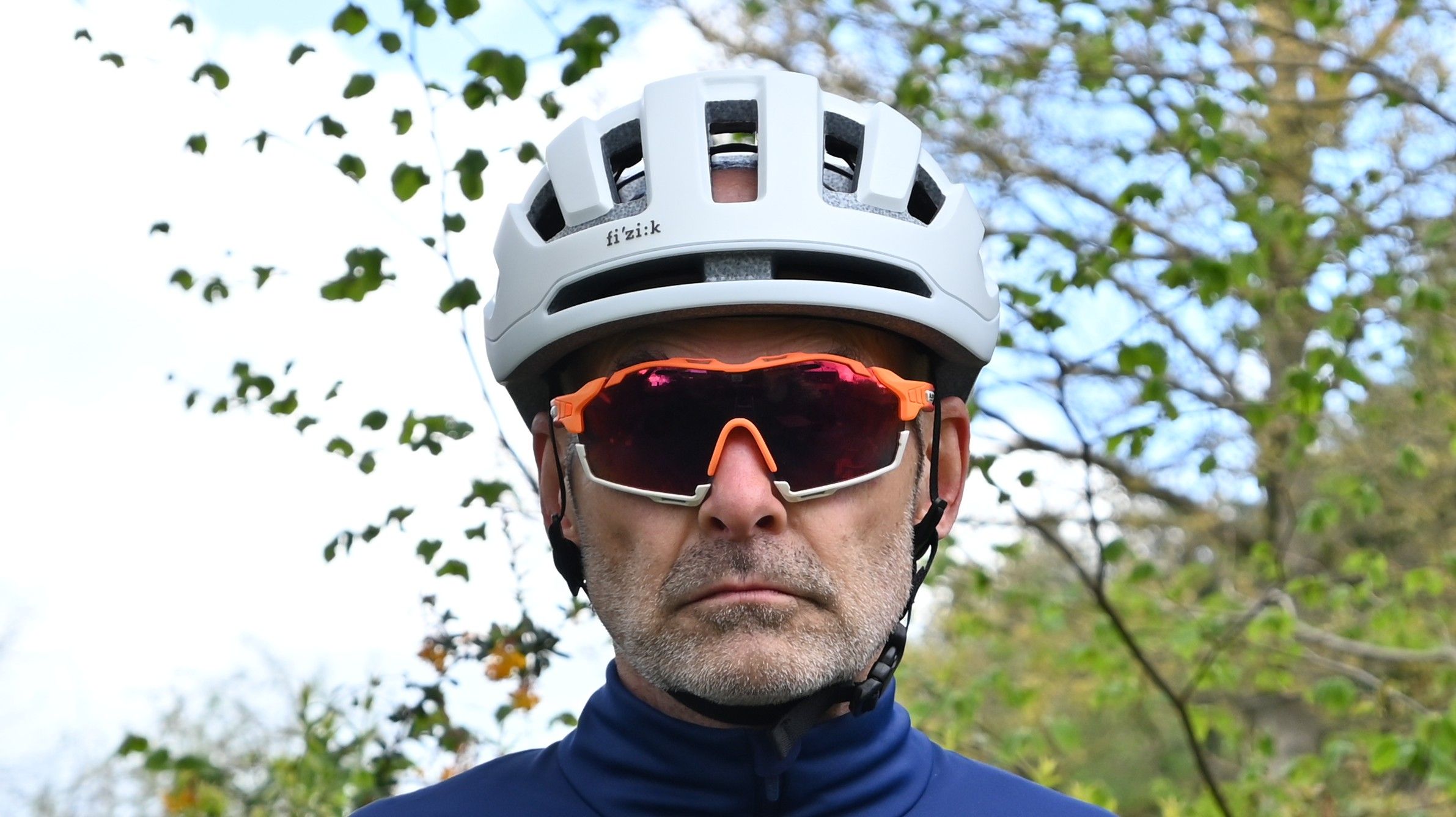
Summary By: eMotoXFizik has expanded its helmet range with the introduction of the Kyros, a mid-priced model designed for road, gravel, and cross-country mountain biking. Priced at £169.99, the Kyros offers many features found in Fizik’s premium Kudo helmet but at a significantly lower cost, making it more accessible to a wider range of cyclists. The helmet maintains a stylish, comfortable design with broad adjustability to accommodate various head shapes, positioning itself as a versatile option for riders seeking quality without the premium price tag.
The Kyros shares a similar overall shape and vent layout with the Kudo but incorporates some design changes to reduce costs. Notably, the vents are smaller, and the helmet’s EPS foam is exposed at the bottom edge, unlike the Kudo’s wrap-around shell, which may affect durability over time. Safety-wise, the Kyros uses the MIPS Evolve Core liner, an earlier version of the MIPS technology, rather than the more advanced MIPS Air system found in the Kudo. Fizik has yet to submit the Kyros for independent safety testing, but the Kudo’s four-star rating suggests a solid level of protection.
Fit and comfort are strong points for the Kyros, with a deep, secure fit that sits lower on the head than many competitors. The helmet features Fizik’s crown adjustment system, allowing riders to fine-tune the internal shape by repositioning red studs to alter pressure distribution. The rear retainer is comfortable and highly adjustable, though the chin strap splitters lack height adjustment, which may not suit all users. The helmet’s airflow is effective in cooler conditions, providing a comfortable ride during springtime, though its performance in hotter weather remains untested.
While the Kyros offers many premium features, some compromises are evident. The helmet produces a noticeable wind whistle in crosswinds, and the rear light, which is integrated on the Kudo models, is sold separately for the Kyros. Additionally, the absence of reflective threads in the straps and the exposed EPS foam may be drawbacks for some riders. Nonetheless, the Kyros represents a thoughtful balance of quality, comfort, and price, potentially appealing to cyclists who want a reliable helmet without the premium cost.
Looking ahead, Fizik’s decision to enter the mid-range helmet market with the Kyros could broaden its appeal beyond high-end cyclists. The company’s focus on adjustability and fit demonstrates an understanding of rider needs, while the pricing strategy makes advanced features more attainable. Further testing and real-world feedback will be important to confirm the helmet’s safety and performance credentials, but the Kyros is a promising addition to Fizik’s growing helmet portfolio.