Article By:
CleanTechnica
2026-05-05 23:37:05
To Glyphosate Or Not To Glyphosate — That Is The Question
Summary By: eMotoX
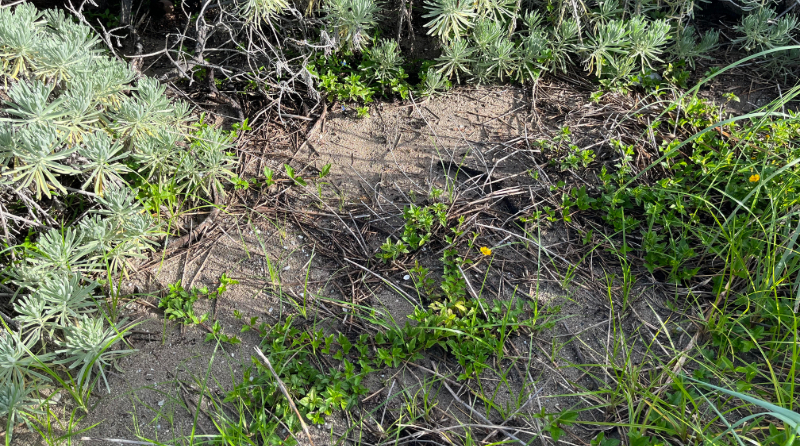
The ongoing debate over glyphosate, a widely used herbicide introduced by Monsanto in 1974, remains highly contentious due to its environmental and health impacts. A local community managing a private dune recently faced the difficult choice of using glyphosate to control invasive wedelia plants threatening native flora. Despite efforts to hand-pull the invasive species, the rapid spread necessitated the initial application of glyphosate, sparking concerns about the broader ecological consequences for wildlife and plant diversity. The community is now exploring less toxic alternatives and more sustainable management practices to minimise further chemical use.
Glyphosate’s efficacy in controlling a broad range of weeds comes at a significant environmental cost, with mounting evidence showing its detrimental effects on soil microbial communities and ecosystem functions. While initially considered safe due to its rapid breakdown in soil, research reveals that glyphosate can disrupt beneficial fungi and bacteria essential for plant health, potentially increasing crop diseases and reducing soil vitality. Furthermore, the herbicide poses risks of leaching into water systems under certain conditions, raising concerns about pollution and long-term ecological damage.
The legal landscape surrounding glyphosate is equally complex, with the US Supreme Court recently hearing arguments in a high-profile case involving Monsanto (now owned by Bayer) and allegations that the company failed to warn about the cancer risks associated with Roundup. This case is part of a broader wave of litigation involving tens of thousands of plaintiffs claiming harm from glyphosate exposure. Bayer contends that federal pesticide laws protect its products and points to regulatory agencies like the EPA, which have not classified glyphosate as carcinogenic, although the World Health Organization’s cancer agency has labelled it a probable carcinogen.
Looking ahead, the Supreme Court’s forthcoming ruling could have far-reaching implications, not only for Bayer and the future of glyphosate litigation but also for the regulation of pesticides and public health protections. The decision is expected by the end of June and may influence how aggregate public harm cases are handled in the US legal system. Meanwhile, the agricultural sector faces a challenging dilemma: glyphosate remains a critical tool for weed control, with non-chemical alternatives often proving less effective and more environmentally taxing, such as carbon-intensive tillage methods. This tension underscores the urgent need for innovative solutions that balance weed management with environmental sustainability.