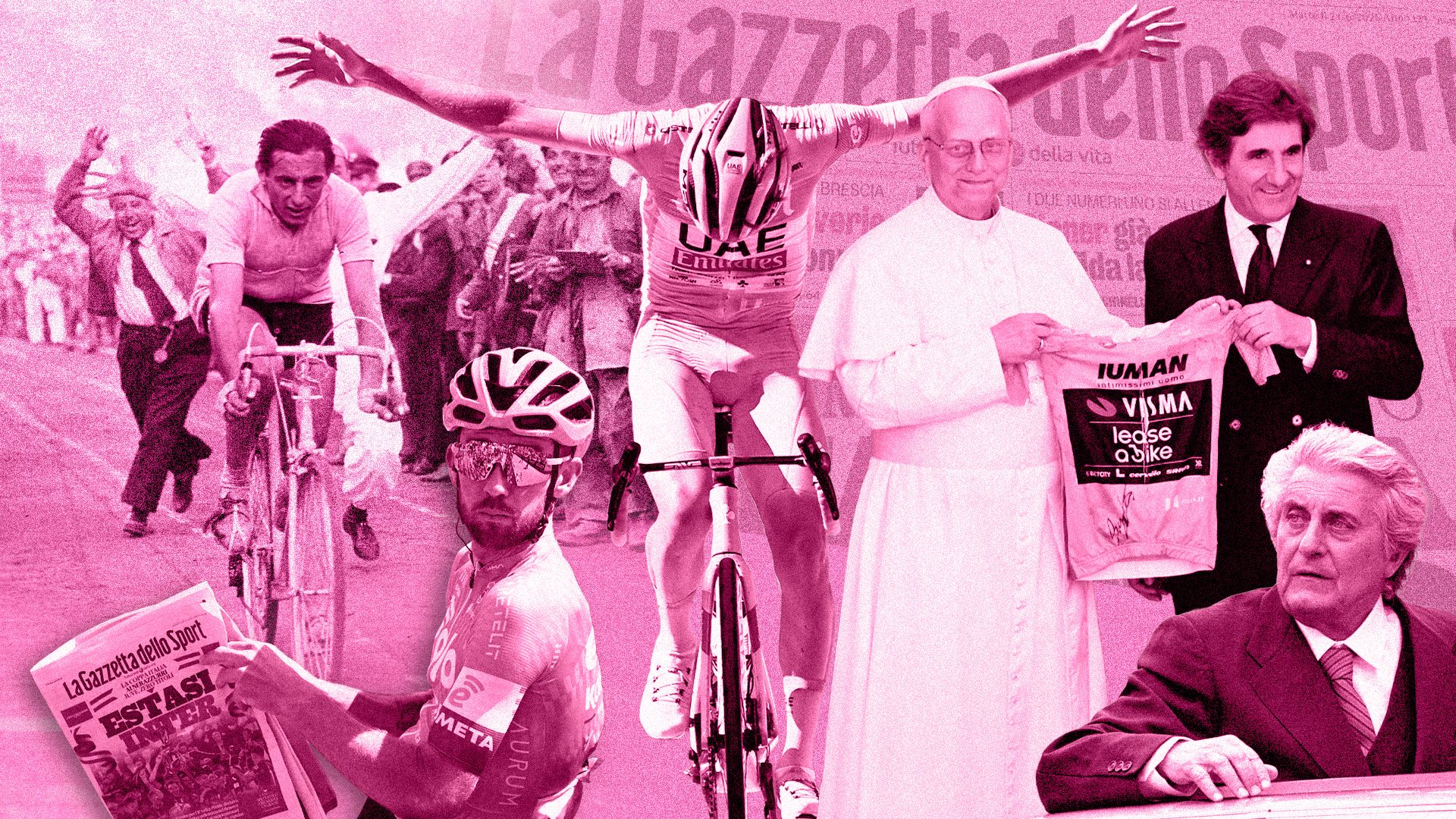
Summary By: eMotoXThe Giro d’Italia stands as much more than a cycling race; it is a vibrant cultural event that showcases Italy’s diverse landscapes and regional identities over three weeks each spring. Organised by RCS Sport, the race traverses the country from the southern coasts through the Apennines to the alpine Dolomites, blending sporting challenge with a celebration of Italian heritage. The event’s iconic maglia rosa, or pink jersey, symbolises both the race leader and the colour of La Gazzetta dello Sport, the newspaper that originally conceived the Giro as a means to boost its circulation. The race’s arrival in towns and cities sparks widespread festivities, with local businesses and communities embracing the occasion through decorations, themed menus, and public celebrations, reinforcing the Giro’s role as a unifying national spectacle.
RCS Sport, part of the larger RCS Media Group, leverages the Giro to generate significant commercial revenue, although the race itself accounts for a modest portion of the group’s overall income. Under CEO Urbano Cairo, the organisation has maintained a careful balance between cost control and revenue generation, securing income from television rights, sponsorship, and fees paid by host locations. While the Giro’s financial scale is smaller than that of the Tour de France, it remains a strategic asset within the Italian media landscape, bolstered by political connections and national pride. Recent decisions to start the 2026 Giro in Bulgaria, following the 2025 Grande Partenza in Albania, reflect RCS Sport’s willingness to explore international opportunities despite logistical challenges and criticism from teams.
The historical significance of the Giro is deeply intertwined with Italy’s national identity and media history. First held in 1909, just a few decades after Italy’s unification, the race was created by La Gazzetta dello Sport to outpace rival newspapers and quickly became a symbol of Italian sporting culture. The pink pages of La Gazzetta have chronicled legendary rivalries and dramatic moments that have helped cement the Giro’s status as a national treasure. Iconic figures such as Gino Bartali and Fausto Coppi, alongside fierce sporting duels, have contributed to the race’s enduring appeal and emotional resonance with the Italian public.
The Giro’s cultural and economic impact extends beyond sport, fostering community spirit and national pride each spring. Local authorities actively invest in hosting stages, recognising the event’s ability to draw crowds and stimulate regional economies. The race’s timing, coinciding with seasonal changes and traditional wardrobe shifts, further embeds it within Italian life. As the Giro continues to evolve, its blend of sporting excellence, cultural celebration, and business acumen ensures it remains a cornerstone of Italy’s sporting calendar and a significant player in the global cycling scene.