Article By:
The Driven
2026-04-27 20:45:31
EV lobby says grid connections and tariffs are biggest barriers to rollout of charging networks
Summary By: eMotoX
Leading figures in Australia’s electric vehicle sector have issued a joint appeal to government and regulatory bodies to address significant barriers hindering the rapid expansion of EV charging infrastructure. Fifteen prominent companies and organisations, including Tesla, AGL, EnergyAustralia, and the Smart Energy Council, emphasised the urgent need to remove grid connection bottlenecks and reform tariff structures. They argue that the current global fuel crisis presents a critical opportunity to accelerate investment and deployment, but this requires clear policy frameworks and regulatory certainty to unlock billions of dollars in funding by 2030.
Central to the coalition’s concerns is the issue of inconsistent and costly grid connections, which can take up to two years to complete, stalling projects that are otherwise ready to proceed. David McElrea of the Smart Energy Council highlighted that the primary obstacle is not demand or technology, but rather the “basic plumbing” of the electricity system. The group calls for distribution network service providers (DNSPs) to improve transparency, establish service standards, and treat EV charging connections as a dedicated service with appropriate standards to reduce delays and costs. They propose a ‘make ready’ connection service to streamline processes and encourage private sector investment.
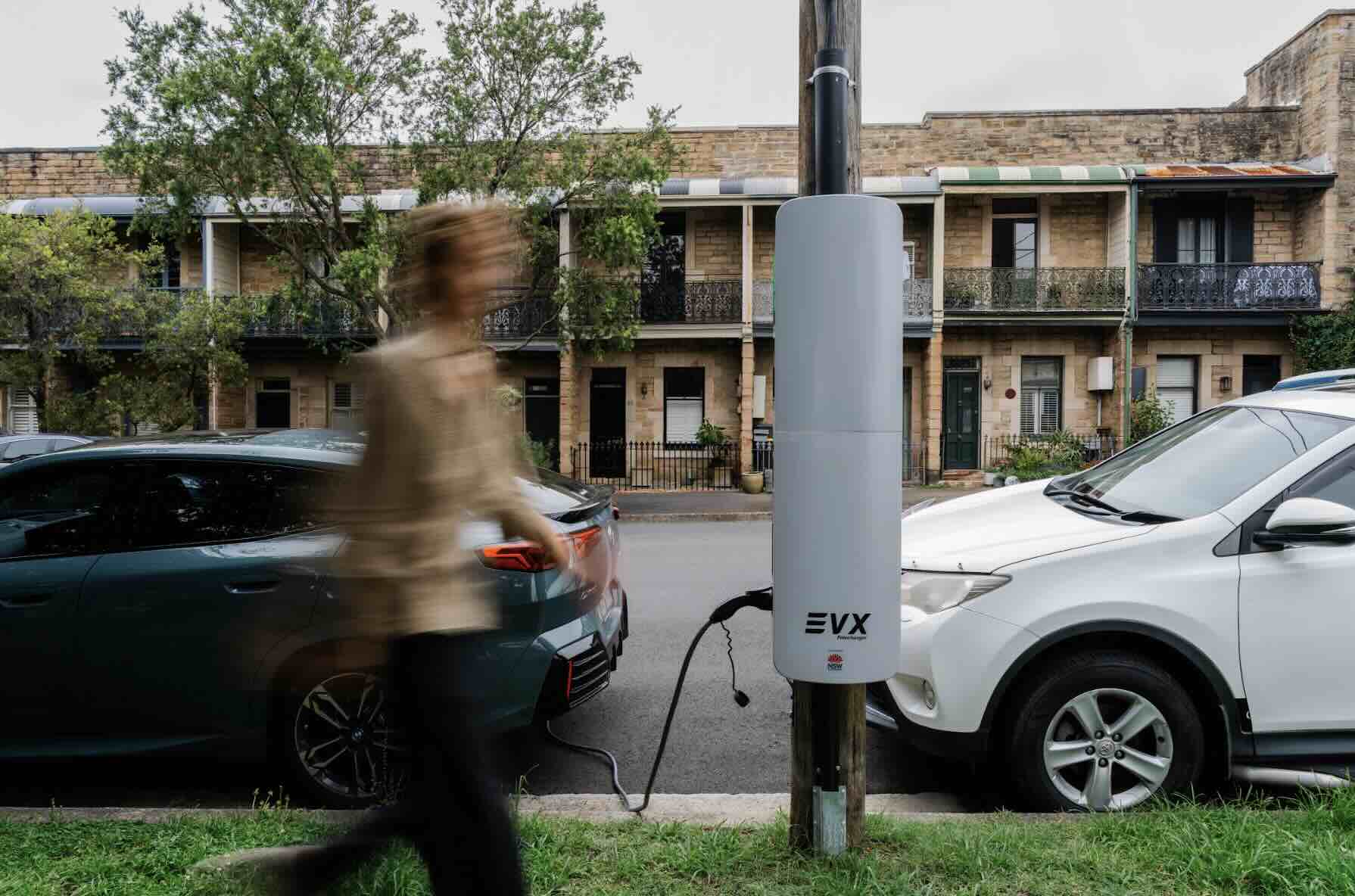
The coalition also stresses the need for tariff reform that recognises the benefits of smart, flexible charging systems, including pricing models that support low-utilisation sites and solar integration. This comes amid ongoing debate over who should own and operate public charging infrastructure, with the industry strongly opposing DNSPs gaining ownership rights. Sean McGinty, chair of EVX, warned that allowing DNSPs to enter the EV charging market could stifle competition and investment, citing concerns echoed by the French competition regulator about the risks of monopolistic control and the creation of unnecessary intermediaries.
The joint statement urges governments to enable market-driven solutions rather than replacing them, advocating for coordinated partnerships and competition to drive the rollout of EV infrastructure. The coalition’s comprehensive list of signatories reflects a broad consensus within the industry on the need for regulatory reform to overcome current obstacles. As Australia seeks to scale up its EV charging network in response to rising fuel prices and energy security challenges, the group’s recommendations highlight critical steps to ensure a faster, more cost-effective transition to electric mobility.