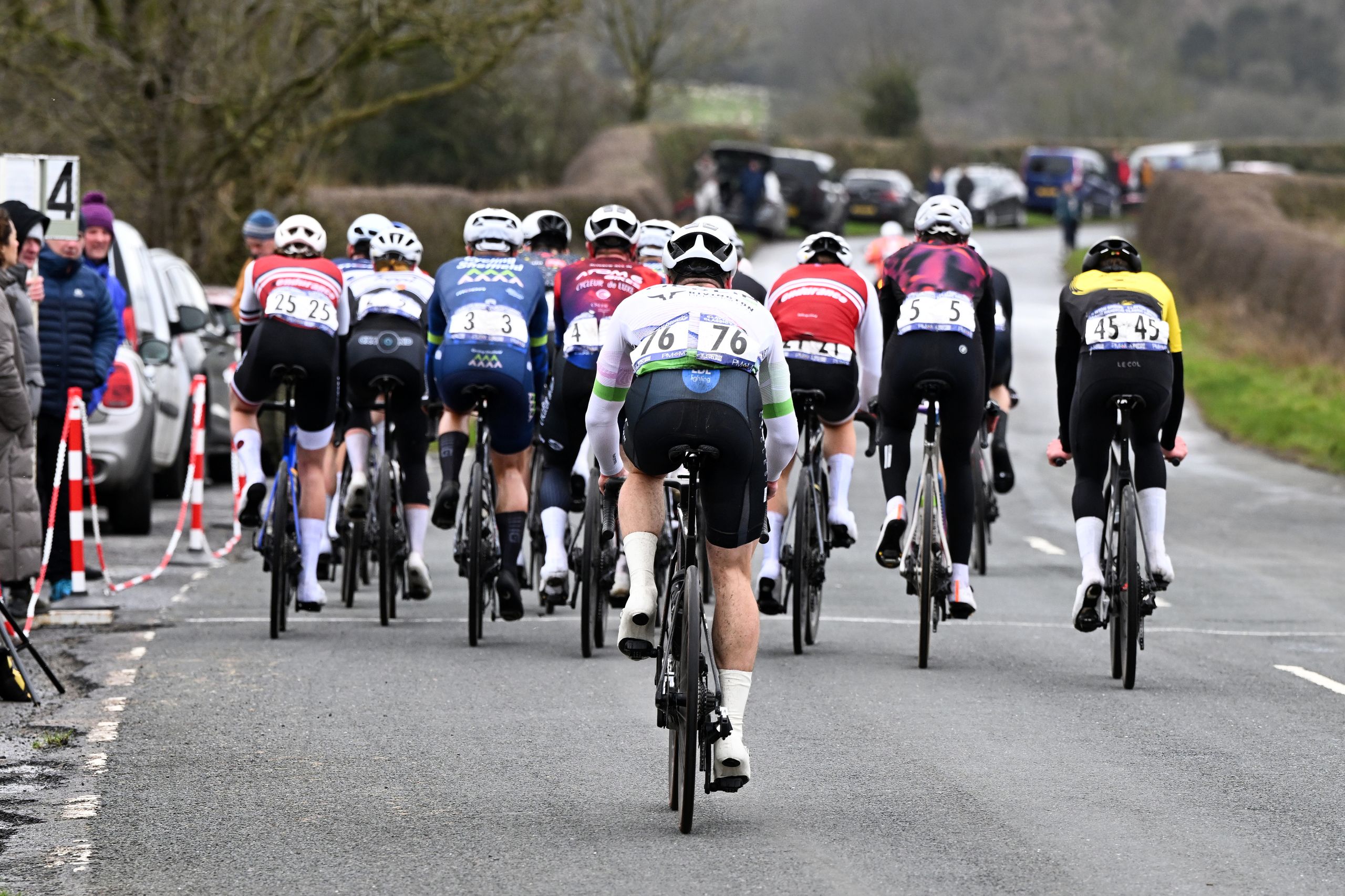
Summary By: eMotoXGrassroots cycling racing in the UK is facing significant challenges, with participation and event numbers in decline despite pockets of success. Will Scholey, a university cycling club road captain, experienced this firsthand when a previously popular crit series he organised saw entries plummet from over 30 riders per round in the autumn to just a handful in the following spring. The financial burden of race registration and uncertain rider turnout led to the eventual cancellation of the series, a scenario that reflects a broader trend across the country. British Cycling figures reveal a 14% drop in closed circuit races and a 16% decline in road races over the past year, highlighting a worrying contraction in grassroots competition.
The downturn in grassroots racing is rooted in multiple factors, including the post-2012 Olympic boom fading, austerity measures, and the Covid-19 pandemic, which halted many events and disrupted momentum. However, the picture is not uniformly bleak. Clubs like Maindy Flyers Cycling Club in Wales continue to thrive, boasting a large membership and a waiting list despite the national decline. The club has produced elite riders such as Geraint Thomas and Elinor Barker, demonstrating that with the right support and infrastructure, grassroots cycling can flourish. Yet, even thriving clubs face difficulties due to a scarcity of local races, forcing young riders and their families to undertake long, costly journeys to compete.
Financial barriers remain a significant hurdle for many aspiring cyclists and their families. The costs of travel, entry fees, and equipment place a heavy strain on participants, often limiting the sport to those with sufficient means or exceptional dedication. Stories such as that of Michael Tarling, who remortgaged his home to support his son’s racing career, underline the sacrifices involved. The ongoing cost of living crisis exacerbates these issues, with stagnant wages and rising inflation making it harder for riders to justify spending on what are often seen as non-essential activities. Organisers like William Fotheringham point out that these economic pressures reduce participation and increase the difficulty of sustaining a vibrant racing calendar.
Looking ahead, the grassroots cycling scene must find ways to adapt and recover, especially with the UK set to host the start of the Tours de France in 2027, an event that could inspire renewed interest. The contrasting fortunes of different clubs suggest that nurturing local talent and providing accessible racing opportunities are crucial. Without targeted support and investment, the risk remains that grassroots racing will continue to decline, threatening the future pipeline of British cycling talent. The challenge lies in balancing affordability, accessibility, and engagement to ensure the sport remains viable and inclusive at the community level.