Article By:
Charged EVs
2026-04-24 15:25:38
Sow Good, a candy maker, acquires Tanzania’s Nachu graphite project to pivot battery materials
Summary By: eMotoX
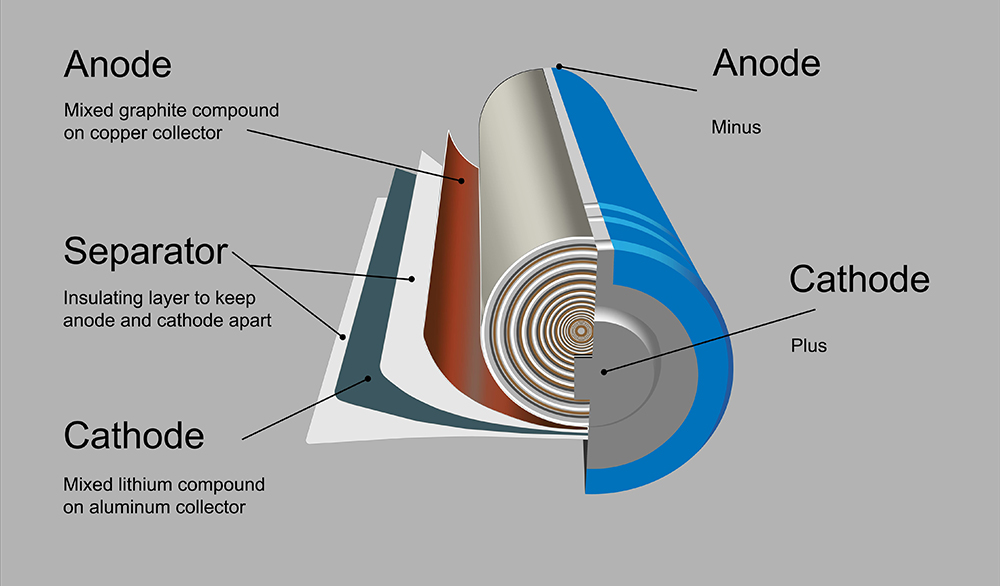
Sow Good Inc., a Nasdaq-listed company known for its freeze-dried candy and snack products, has agreed to acquire the Nachu Graphite Project in Tanzania in a deal valued at approximately $107 million, paid entirely in company shares. This acquisition marks a significant strategic shift as Sow Good aims to enter the critical minerals sector, specifically focusing on battery anode materials. The Nachu project is an advanced-stage graphite development located in southern Tanzania, with substantial mineral resources and reserves reported under Ryzon’s JORC Code 2012 studies, although Sow Good has yet to independently verify these figures.
The Nachu Graphite Project boasts a reported mineral resource of 174 million tonnes at 5.4% total graphitic carbon and an ore reserve of 76 million tonnes at 5.2% TGC. The project is designed to process five million tonnes of run-of-mine ore annually, producing around 236,000 tonnes of high-purity graphite concentrate through flotation alone, without requiring chemical purification. Despite holding full permits and a Special Economic Zone license, the project has not yet begun construction or production. There is also a disclosed binding offtake agreement with a US Tier-1 electric vehicle and energy storage system manufacturer, though Sow Good plans to verify the agreement’s status after the acquisition.
The acquisition comes amid growing global efforts to diversify battery material supply chains away from China, which currently dominates around 70% of natural flake graphite production and over 95% of spherical and coated graphite anode processing. Western governments and automakers are increasingly seeking alternative sources to reduce reliance on Chinese suppliers, partly driven by regulatory frameworks such as the US Inflation Reduction Act and the EU Critical Raw Materials Act. Nachu’s position as a non-Chinese, African source of battery-grade graphite could prove strategically important, although it remains several years from commencing production.
Sow Good’s CEO, Sam Goldberg, emphasised the timing of the acquisition, noting that the global battery supply chain is at a critical juncture with rising demand for non-Chinese graphite sources. He expressed confidence that the Nachu project is well-placed to meet this emerging demand. However, the deal still requires shareholder approval, Tanzanian regulatory clearances, and other conditions before completion, with no guarantee that the transaction will ultimately close. If successful, the acquisition could represent a notable diversification for Sow Good and a significant development in the battery materials sector.