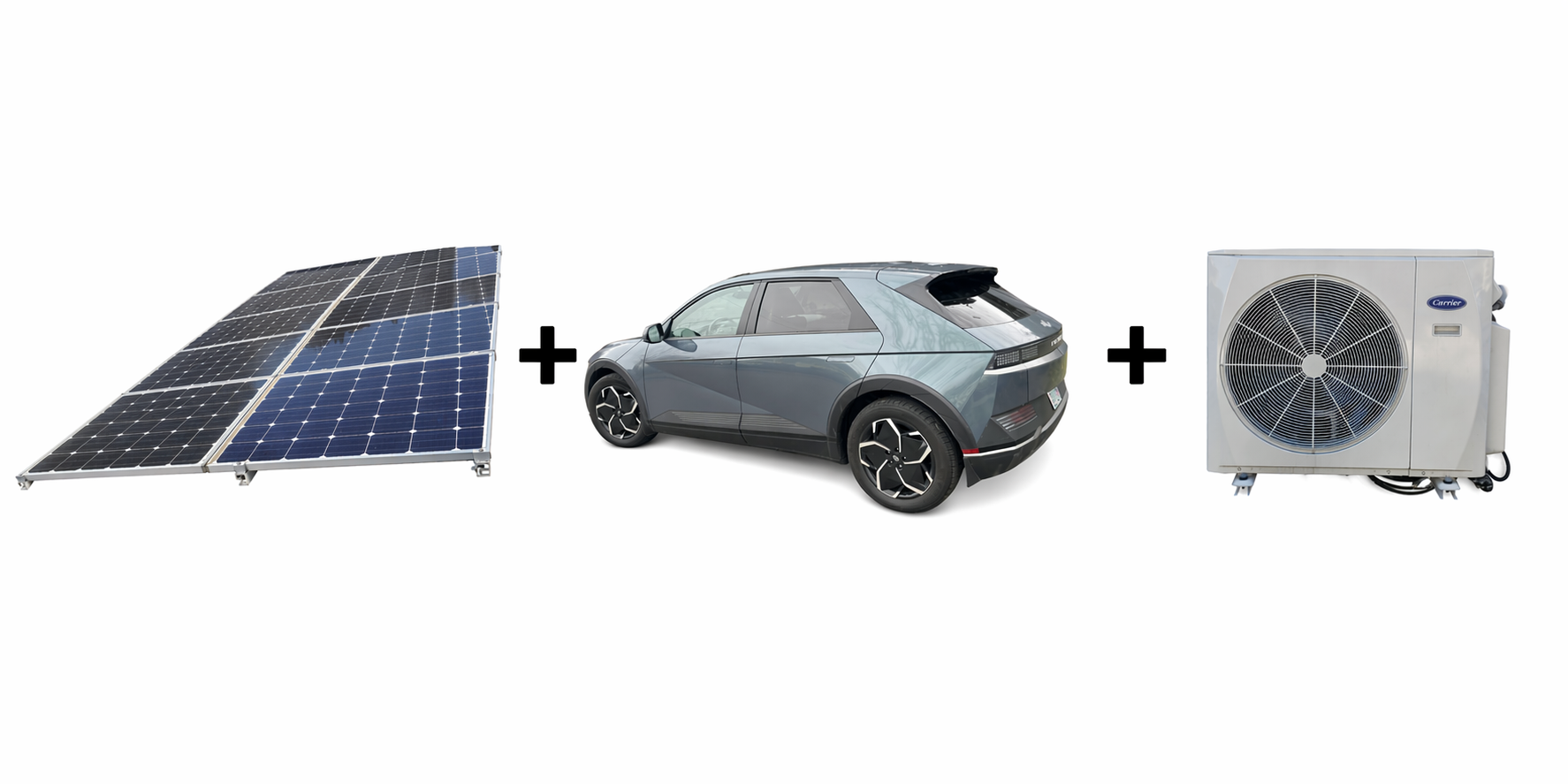
Summary By: eMotoXA growing number of households are achieving zero energy bills by integrating three key technologies: photovoltaic (PV) solar panels, electric vehicles (EVs), and heat pumps. Rising fossil fuel prices, including gas and natural gas, have made traditional energy sources increasingly expensive and volatile. By generating their own electricity through solar panels and using electric vehicles and heat pumps powered by this renewable energy, families can eliminate their energy costs entirely, aside from a minimal grid connection fee. This approach offers not only financial relief but also energy independence from fluctuating global markets.
Solar panels form the foundation of this energy strategy, with their costs having dropped significantly over the past decade. The author highlights personal experience, noting the price per watt for solar installations has fallen from $7.40 in 2010 to $2.77 in recent years, allowing for larger and more efficient systems at the same overall cost. Solar power enables homeowners to lock in electricity costs upfront, shielding them from future price hikes. The ability to repeatedly expand solar capacity as household energy demands grow, combined with the environmental benefits of clean energy, makes PV an attractive investment for those seeking sustainable living.
Electric vehicles complement solar power by providing a clean, cost-effective alternative to petrol and diesel cars, especially as fuel prices soar. The variety and affordability of EVs have improved dramatically, with many models now offering long ranges at accessible prices. Used EVs also present a compelling option, given the durability of modern batteries. Beyond cost savings, EVs offer advantages such as reduced maintenance, smoother performance, and the convenience of home charging, which can be directly powered by rooftop solar panels.
Heat pumps complete the trio of technologies essential for zero energy bills by efficiently heating and cooling homes, water, and even drying clothes. Unlike traditional heating systems that generate heat through combustion or resistance, heat pumps transfer heat, making them three to five times more efficient. Running on electricity, heat pumps can be powered entirely by solar energy, further reducing reliance on fossil fuels. The author’s household experience demonstrates that a well-sized PV system can supply all the electricity needed for heat pumps, EV charging, and general household consumption, creating a fossil fuel-free living environment with improved air quality.
Together, PV solar panels, electric vehicles, and heat pumps represent a practical pathway to energy self-sufficiency and financial savings. As technology costs continue to decline and efficiency improves, more households are likely to adopt this model, reducing their carbon footprint and insulating themselves from volatile energy markets. This integrated approach not only benefits individual consumers but also supports broader efforts towards decarbonisation and sustainable energy systems.