eBike news article header featuring electric bike news, eBike updates, reviews and industry insights

News Menu

bicycle news feed and industry updates for eBike and cycling news
Click for Bicycle News
electric motocross news feed with latest dirt bike updates, reviews and industry insights
Click for eMotocrosss News
latest eScooter news aggregator featuring electric scooter news feed, updates, reviews and industry trends
Click for eScooter News
electric vehicle news aggregator featuring latest EV updates, charging and technology news
Click for EV news
Article By:
Electric Bike Report
2026-04-15 22:40:24

E-Moto vs. E-Bike: How Illegal E-motos Are Threatening the Legitimate E-Bike Market

Summary By: eMotoX
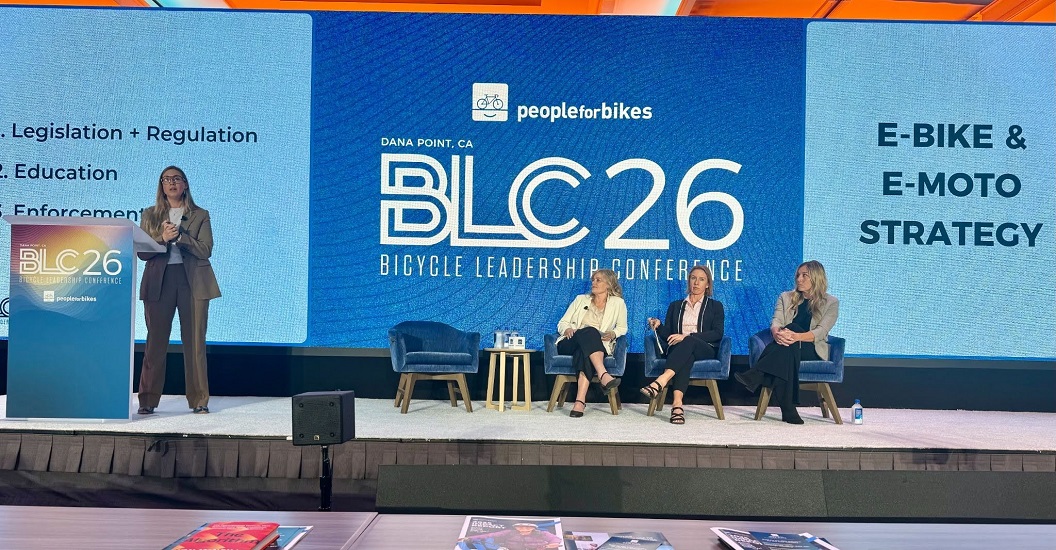
Concerns are mounting within the e-bike industry over the rising presence of illegal electric motorcycles, or "e-motos," which are increasingly being misrepresented as e-bikes. A recent panel discussion featuring experts from PeopleForBikes, the Marin County Bicycle Coalition, and the Motorcycle Industry Council highlighted that these high-powered vehicles pose the greatest threat to the legitimate e-bike market. Unlike standard e-bikes, these machines often exceed legal limits for speed and motor power, undermining the carefully crafted three-class e-bike regulatory framework adopted by numerous US states. The panel warned that without industry-led solutions, external regulatory bodies might impose restrictions detrimental to the entire sector. The established three-class system defines e-bikes as electric bicycles with motors capped at 750 watts and a maximum motor-assisted speed of 20 mph, distinguishing them from motor vehicles. However, a growing number of products marketed as e-bikes blatantly exceed these thresholds, with some models weighing over 100 pounds, powered by motors up to 5,000 watts, and capable of speeds exceeding 40 mph. Manufacturers exploit loopholes by fitting these vehicles with pedals to classify them legally as bicycles, a practice described by Dr Ash Lovell of PeopleForBikes as "regulatory laundering." To address this confusion, the term "e-moto" has been introduced to clearly differentiate these powerful machines from legitimate e-bikes. Two main categories of these problematic vehicles have emerged: moped-style e-bikes and electric dirt bikes. Moped-style e-bikes, such as those resembling classic cafe racers, are particularly popular among teenagers and often come with software that allows users to unlock higher speeds beyond legal limits. While some brands like Super73 have taken steps to restrict speeds, many still promote the ability to bypass restrictions, which raises safety concerns given many young riders lack proper licensing or road safety knowledge. Meanwhile, electric dirt bikes, exemplified by brands like Surron, fall into a similar regulatory grey area, complicating enforcement and legislation. The conflation of legal e-bikes with these high-powered e-motos creates challenges for lawmakers and law enforcement alike. When all these vehicles are grouped together, it risks undermining the legitimacy of compliant e-bikes and complicates efforts to regulate public use effectively. Industry stakeholders advocate for clearer definitions and targeted regulations that distinguish between safe, low-powered e-bikes and more powerful electric motorcycles. Without such clarity, the future growth and acceptance of the e-bike market could be jeopardised by safety issues and regulatory backlash.