EV news article header featuring electric vehicle news, EV charging station, electric car updates and industry insights

News Menu

bicycle news feed and industry updates for eBike and cycling news
Click for Bicycle News
latest eBike news aggregator covering electric bike updates, reviews and industry trends
Click for eBike News
electric motocross news feed with latest dirt bike updates, reviews and industry insights
Click for eMotocross News
latest eScooter news aggregator featuring electric scooter news feed, updates, reviews and industry trends
Click for eScooter news
Article By:
Charged EVs
2026-04-15 15:30:00

A modern-day Luther nails 12 theses to auto dealership door, demanding that they sell EVs

Summary By: eMotoX
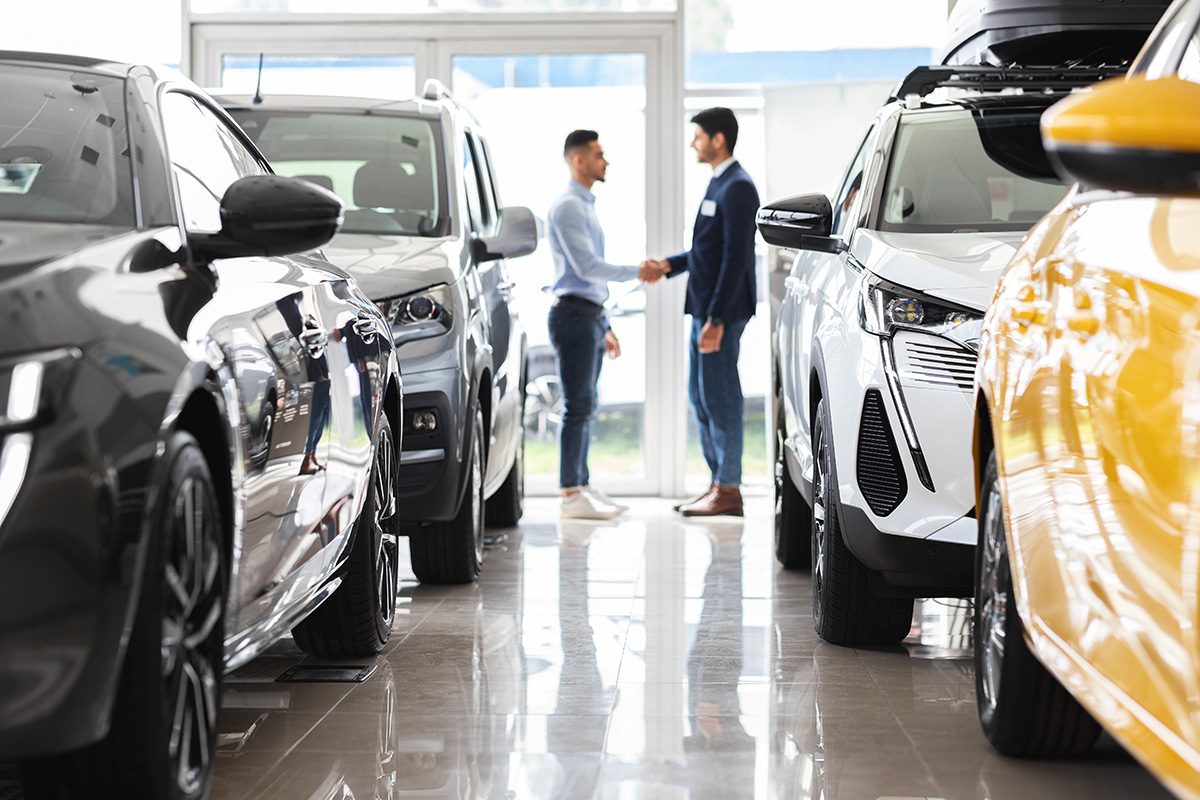
Michael Barnard has drawn a provocative parallel between the traditional car dealership model and the medieval Catholic Church, suggesting both rely on entrenched institutions that mediate access to salvation—whether spiritual or automotive. In a satirical critique, Barnard challenges the outdated practices of dealerships, such as aggressive haggling and hidden fees, arguing that these customs no longer serve today’s informed electric vehicle (EV) buyers. He likens Tesla to Martin Luther, spearheading a modern automotive reformation by selling directly to consumers and bypassing the conventional dealership system. Barnard acknowledges that the dealership model once made sense during the internal combustion engine era when buyers depended on dealers for maintenance and product knowledge. However, with the rise of online research and EV technology, customers often arrive at dealerships better informed than sales staff. While dealerships still provide important services like financing, trade-ins, and local support, their role is evolving. Other EV manufacturers like Rivian and Lucid are also reshaping the retail landscape, each representing different approaches within this ongoing transformation. The core of the current conflict lies in the legal framework governing auto sales, particularly in the United States, where most states require vehicles to be sold through franchised dealerships. Over time, many states have introduced exceptions allowing EV-only manufacturers to sell directly to consumers, a privilege currently held by Tesla, Rivian, and Lucid. The real concern for traditional dealers is not these niche brands but the possibility that established automakers such as Ford and General Motors might also seek to bypass dealerships, potentially disrupting the long-standing franchise system. Recent legal battles underscore the tension between dealerships and manufacturers aiming to sell directly. For example, a group of dealerships has sued Volkswagen over its plans to sell Scout plug-in vehicles without intermediaries, highlighting the resistance from dealers to any erosion of their role. As the electrification revolution accelerates, the automotive retail sector faces profound changes that could mirror the upheavals of the historical Reformation, with far-reaching implications for how vehicles are marketed, sold, and serviced in the future.