Article By:
CleanTechnica
2026-04-10 14:49:07
BYD Expanding Across Canada With 20 Locations
Summary By: eMotoX
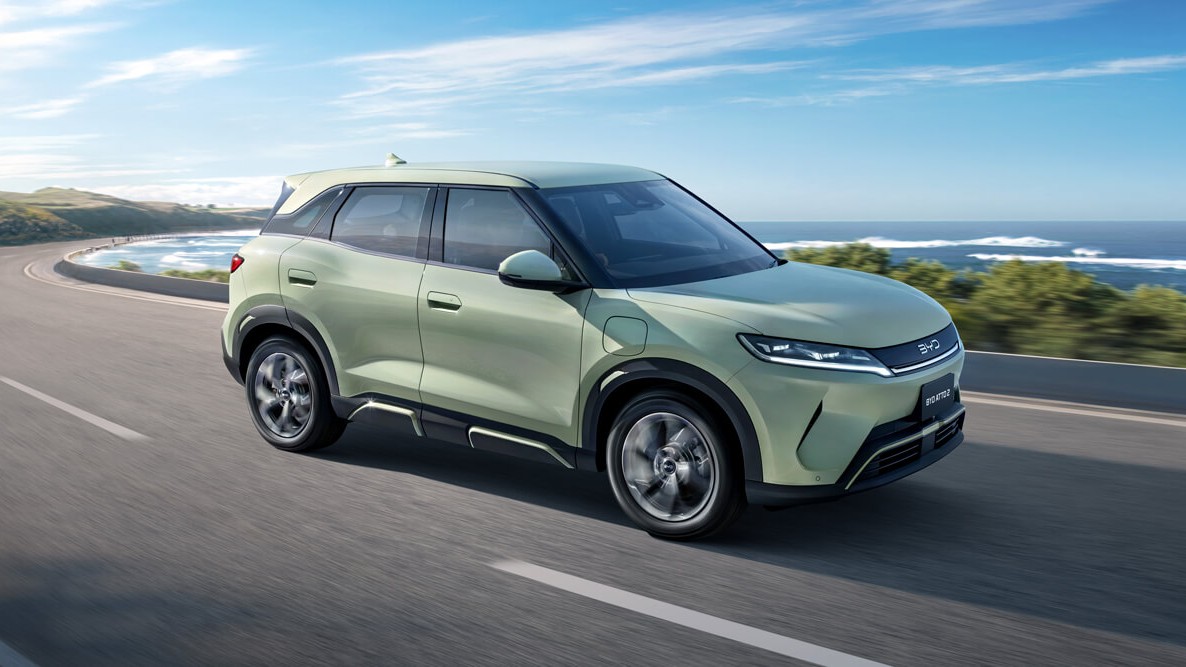
Chinese electric vehicle manufacturer BYD is making a significant push into the Canadian market with plans to open 20 dealerships across the country within the year. Initial discussions have already begun for three locations in Toronto, Ontario, with additional sites planned for major cities including Montreal, Vancouver, and Calgary. This broad geographic strategy marks a departure from expectations that BYD would focus solely on provinces with higher electric vehicle (EV) adoption rates, signalling an ambitious expansion effort.
The choice to start in Ontario is particularly noteworthy given the province’s relatively low EV market share compared to British Columbia and Quebec, which together dominate Canadian EV sales. Ontario’s political climate has historically been less favourable to Chinese automakers, partly due to strong union influences. However, BYD may be positioning itself to leverage unused manufacturing capacity in the province, potentially establishing local production that could support its retail network and improve its competitive standing.
Calgary and Alberta present a different set of challenges and opportunities, as the region experiences harsh winters and currently has a modest EV market share of just 4%. BYD’s advancements in battery technology, including rapid “flash charging” capabilities even at temperatures as low as -30°C, could make EVs more attractive to consumers in cold climates. This technological edge, coupled with the company’s new plug-in hybrid models featuring extended range and increased towing capacity, may help BYD tap into markets where fully electric vehicles have struggled to gain traction.
Beyond vehicle sales, BYD’s expansion could have wider implications for Canada’s EV infrastructure. The country currently has a limited number of high-power DC charging stations, but BYD’s ability to deploy fast-charging networks rapidly may enhance the overall charging landscape. Additionally, while many of BYD’s vehicles have traditionally been imported from China, the company’s growing production footprint in countries such as Brazil, Thailand, and Indonesia, as well as potential acquisitions like the Nissan plant in Mexico, could diversify supply chains and support local demand more effectively.
BYD’s move into Canada also holds potential ramifications for the broader North American market. Vehicles approved for Canada typically meet US regulatory standards, which could pave the way for BYD models to enter the US market, either through direct sales or as used imports. Although political and trade barriers remain a possibility, the company’s global manufacturing strategy and competitive product offerings may increasingly challenge established automakers and reshape the EV landscape across the continent.