Summary By: eMotoXElectric vehicle sales continue to surge globally, with Tesla and BYD maintaining their dominance in the market, albeit with shifting dynamics. In the first quarter of 2026, Tesla reclaimed the top global spot for battery electric vehicle (BEV) sales, registering 358,023 units compared to BYD’s 310,389, despite both companies experiencing a decline from their 2025 highs. Meanwhile, the Australian market tells a different story, where BYD leads comfortably over Tesla in the first quarter, boosted by strong sales of models like the Atto 2 and Atto 1. Overall, electric vehicles accounted for 22.1 per cent of new car sales in Australia in March, marking a record month and reflecting the broader acceleration of the EV transition driven by rising fuel prices and energy security concerns.
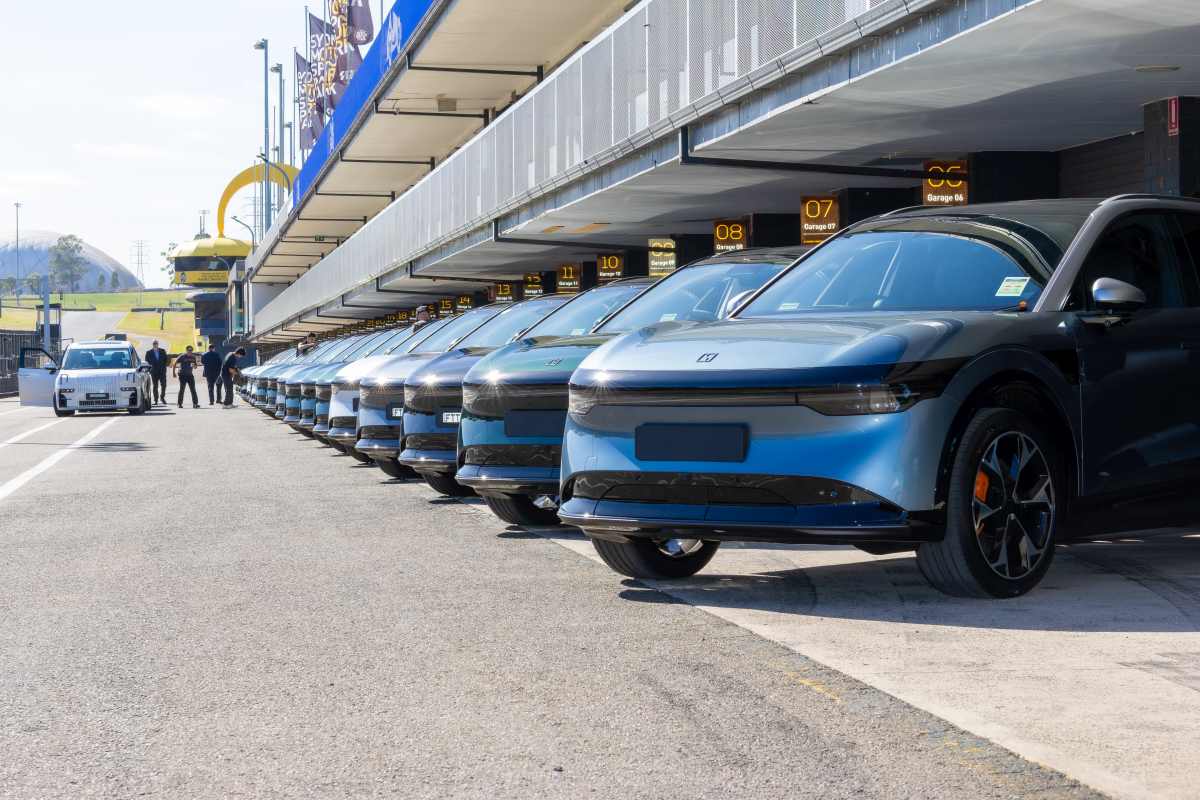
The competitive landscape is becoming increasingly crowded as new and established brands vie for market share beyond the Tesla-BYD duopoly. While Tesla’s sales have remained relatively flat over the past two years in Australia, other manufacturers have capitalised on the growing demand, leading to a decline in Tesla’s market share to 21 per cent in the first quarter of 2026. Chinese brands such as Zeekr, Omoda Jaecoo, and Geely are making significant inroads, with Zeekr’s 7X model dominating their sales and Omoda Jaecoo’s J5 impressively securing seventh place with just a single model. Meanwhile, traditional European automakers like BMW and Mercedes-Benz are facing challenges, with BMW’s sales declining steadily and Mercedes-Benz showing mixed results amid a highly competitive market.
Several notable shifts have emerged among the top EV brands in Australia. Kia has solidified its position in third place, benefiting from a diverse electric lineup that includes the upcoming PV5 electric van, while Hyundai has rebounded to eighth place after a dip in 2025. German marques such as Volvo and Polestar, once consistent top 10 performers, have slipped out of the rankings, largely due to the rise of Chinese competitors and changing consumer preferences. Volkswagen has also gained traction with its ID series, moving into tenth place after a slow start in 2024, and Toyota has made a surprising jump into ninth place, likely buoyed by its loyal customer base as the market enters a new phase of mainstream EV adoption.
The evolving market dynamics suggest that the EV sector is entering a more mature and competitive phase where innovation, model variety, and pricing will be crucial for manufacturers seeking to expand their footprint. BYD’s strong performance in Australia and Tesla’s global recovery highlight the ongoing rivalry at the top, but the rise of Chinese brands and the fluctuating fortunes of European and Japanese automakers indicate a more fragmented and dynamic market ahead. As demand continues to grow, the coming months will be critical in determining which manufacturers can maintain momentum and capitalise on the accelerating shift to electric mobility.