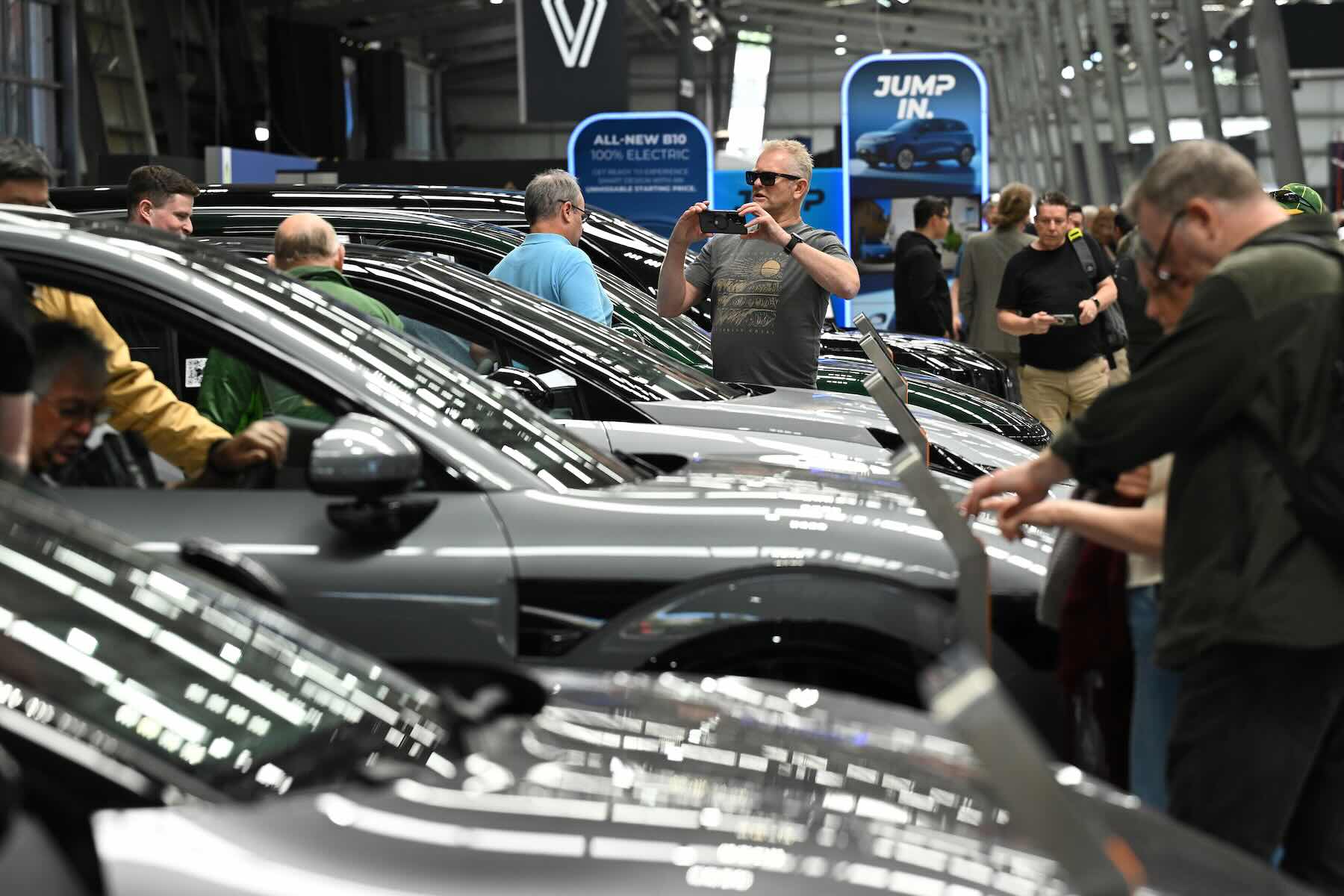
Summary By: eMotoXAustralia has witnessed a significant surge in electric vehicle (EV) sales, with March recording a record market share of 14.5 per cent. This spike has prompted debate within the automotive industry about whether it signals a lasting structural shift or merely a temporary spike. While traditional Japanese manufacturers remain sceptical, hoping the surge is short-lived, emerging Chinese EV brands and industry advocates argue that the momentum reflects a fundamental change in consumer behaviour and market dynamics.
Key indicators suggest that the surge goes beyond official sales figures, with a notable increase in online searches, leasing inquiries, and second-hand EV sales. A particularly telling sign is the substantial backlog of orders, especially for popular models like the Tesla Model Y, which now faces delivery delays extending into mid to late 2026. Chinese manufacturer BYD has emerged as the leading EV brand in Australia, outselling Tesla in March and maintaining a backlog exceeding 10,000 units, underscoring strong and sustained demand for fully electric vehicles.
Industry players have responded with cautious optimism. Toyota forecasts a five-fold increase in sales of its fully electric bZ4X model this year, buoyed by new variants and growing consumer interest. Other manufacturers, including Polestar, Hyundai, Volkswagen, and Audi, have also reported heightened demand and increased test drives. Despite this enthusiasm, many companies continue to emphasise hybrid models alongside fully electric options, reflecting a transitional phase in the market.
The future trajectory of Australia’s EV market may hinge significantly on government policy, particularly the fate of the Electric Car Discount, which currently offers tax incentives to reduce the cost of EV ownership. Industry representatives warn that scaling back or removing these subsidies risks slowing the transition, especially as rising fuel prices and cost-of-living pressures make EVs an increasingly attractive proposition for consumers. The discount has been credited with turning tentative interest into firm commitment, especially in regional areas where cost savings are critical.
Overall, the surge in EV sales appears to be more than a fleeting trend, driven by a combination of market readiness, consumer demand, and supportive policies. However, sustaining this momentum will require continued government support and industry adaptation to ensure that EVs become a mainstream choice for Australian motorists. The coming months will be crucial in determining whether the current surge consolidates into a permanent shift in the country’s automotive landscape.