
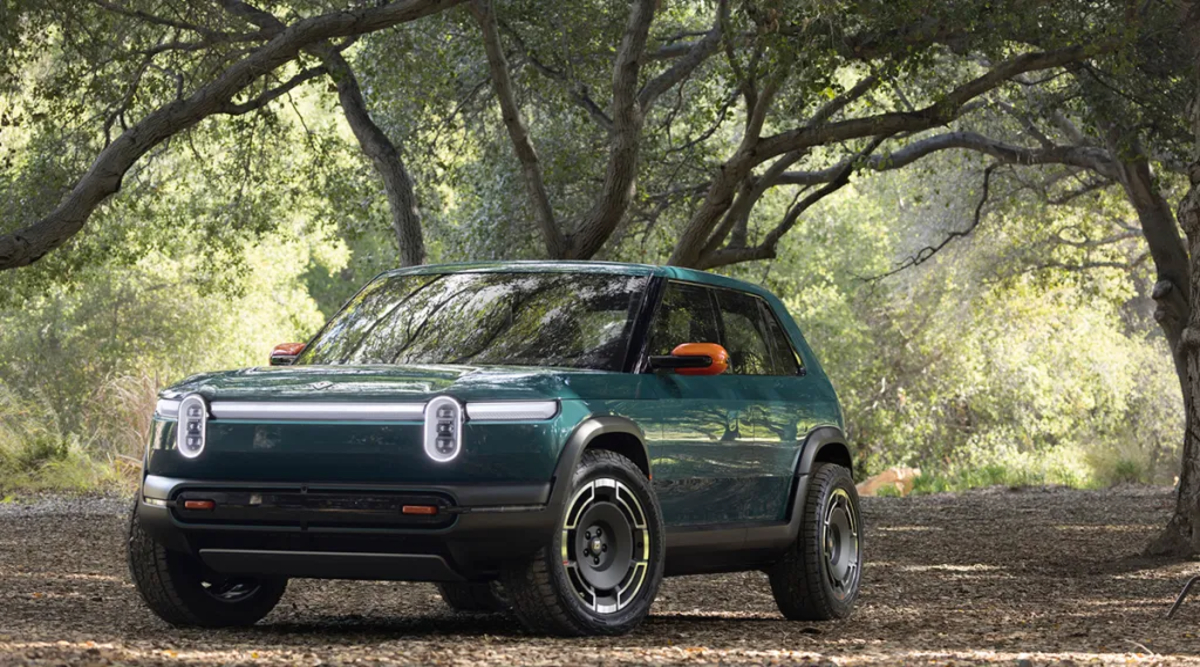
Rivian R3 & R3X Will Go On Sale … Eventually
Rivian has confirmed plans to bring its R3 and R3X electric SUVs to market, although the launch remains some years away. These models were initially revealed alongside the R2 electric SUV earlier this year, with the R3 positioned as the company’s most affordable offering and the R3X aimed at buyers seeking enhanced performance and off-road capabilities. Production is expected to begin before the end of the decade, with manufacturing set to take place at a new facility in Atlanta, Georgia, slated for completion in 2028. While detailed specifications have yet to be released, the R3 and R3X will share the same platform as the R2 and offer two battery sizes, including a larger option promising an EPA-estimated range exceeding 300 miles. Both models will support the North American Charging Standard (NACS), allowing compatibility with Tesla Superchargers, and Rivian claims fast-charging capability from 10 to 80 percent in under 30 minutes using high-power Level 3 chargers. Performance variants will feature single-, dual-, and tri-motor configurations, with the latter capable of accelerating from 0 to 60 mph in under three seconds, a notable achievement for a vehicle expected to be priced below $45,000. The R3X will serve as the sporty, off-road-focused version, featuring increased ground clearance, a potential off-road suspension package, and distinct styling elements such as unique two-tone accents and specialised wheels and bumpers. Rivian’s design chief has cited 1980s Group B rally cars, like the Audi Quattro and Lancia Delta Integrale, as inspirations for the angular hatchback design, although some observers have noted a resemblance to classic front-wheel-drive models like the Plymouth Horizon. This blend of retro influence and modern technology aims to appeal to a broad range of electric vehicle buyers. Industry commentators suggest that Rivian’s timing could be advantageous amid shifting market dynamics. With Tesla facing criticism over its leadership and legacy automakers retreating from ambitious electric vehicle plans, Rivian may capture a growing segment of buyers seeking EVs from dedicated manufacturers. This could support Rivian’s ambitions to scale production and achieve profitability, especially as the company benefits from strategic investments, including billions from Volkswagen aimed at developing robust software platforms. Overall, the R3 and R3X represent a significant step in Rivian’s evolution from a niche electric truck maker to a broader mass-market player. Although the wait for these models will be lengthy, their combination of affordability, performance, and advanced charging compatibility positions them as compelling options in an increasingly competitive electric SUV market. The coming years will reveal how Rivian navigates production challenges and market opportunities as it seeks to expand its footprint in the electric vehicle sector.
This summary was generated by AI. The full article is published on CleanTechnica.